
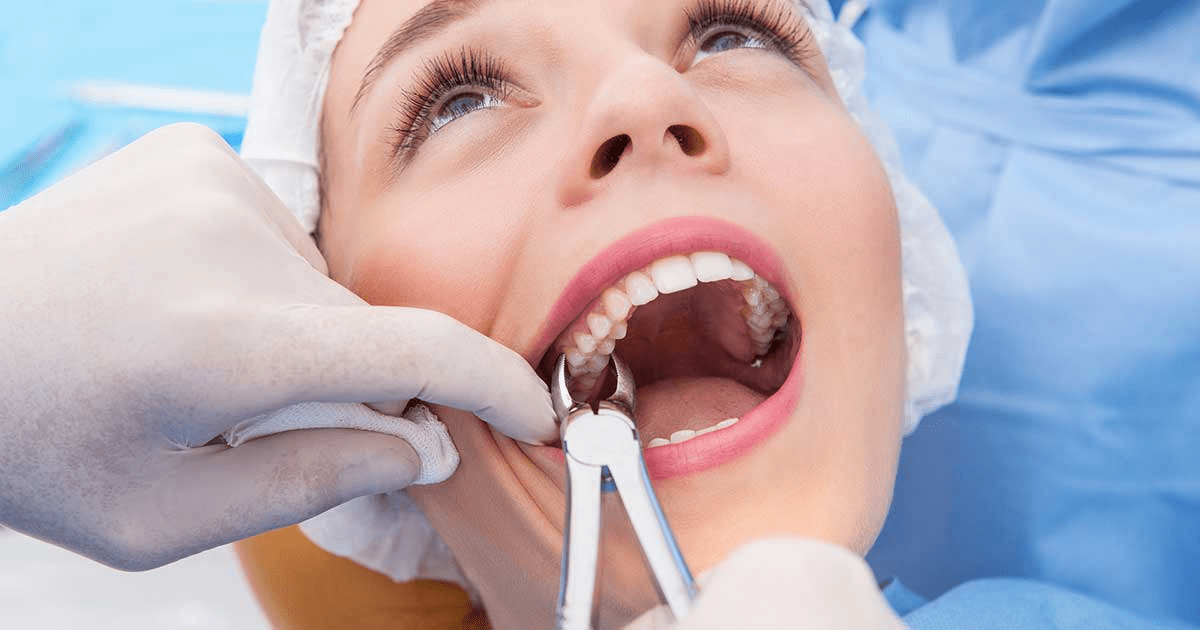
What are the essential aspects of Tooth Extraction Aftercare: Dos & Don’ts for Healing? Understanding the basic guidelines can help ensure a smoother recovery process. Proper care is crucial for minimizing discomfort and promoting healing.
Tooth Extraction Aftercare
Managing Pain and Discomfort
Managing pain and discomfort is a crucial aspect of Tooth Extraction Aftercare. After undergoing a tooth extraction, it’s common to experience some level of discomfort as your body begins the healing process. This discomfort can vary depending on the complexity of the extraction and individual pain tolerance. It’s important to understand that this is a natural part of recovery, and being aware of what to expect can help you manage your expectations and prepare for the healing journey ahead.
For those who have undergone a more complex procedure, such as a Wisdom Tooth Extraction: What to Expect & Recovery, the level of discomfort might be more pronounced. However, with proper care and attention to your body’s signals, you can navigate this period with greater ease. Remember, Tooth Extraction Aftercare is about allowing your body the time it needs to heal while being mindful of any changes in your condition.
Diet and Nutrition Considerations
After undergoing a tooth extraction, paying attention to your diet and nutrition is crucial for optimal healing. Consuming soft foods that are easy to chew and swallow can help minimize discomfort and prevent any disruption to the healing process. It’s important to maintain a balanced diet that provides essential nutrients to support tissue repair and recovery. Staying hydrated is also key, as it aids in maintaining overall health and well-being during the recovery period.
Avoiding certain foods and beverages can be just as important as choosing the right ones. Hard, crunchy, or sticky foods may interfere with the healing site, while hot or spicy foods might cause irritation. Being mindful of your dietary choices can significantly impact your recovery journey. For more information on professional care, visit our page on Elmhurst Professional Tooth Extractions.
Oral Hygiene Practices
Maintaining proper oral hygiene practices is a crucial aspect of tooth extraction aftercare. Ensuring that your mouth remains clean can significantly contribute to the healing process following an extraction. It’s important to be mindful of how you care for your oral health during this period, as it can impact the overall recovery. While the area around the extraction site may be sensitive, keeping up with gentle oral hygiene practices can help prevent complications and promote a smoother healing journey. Remember, tooth extraction aftercare is not just about immediate recovery but also about maintaining long-term oral health.
Recognizing Signs of Infection
After a tooth extraction, it’s crucial to monitor the healing process closely to ensure everything is progressing smoothly. One of the key aspects of tooth extraction aftercare is being vigilant about recognizing signs of infection. Common indicators may include persistent swelling, severe pain that doesn’t subside with medication, or a fever. Additionally, if you notice any unusual discharge or a foul taste in your mouth, it might be a sign that something isn’t right. Keeping an eye on these symptoms can help you address potential issues promptly. For more information on maintaining oral health after a tooth extraction, visit Elmhurst Dentist at Elmhurst Dental Studio.
Swelling and Bruising Management
Understanding the natural responses of your body, such as swelling and bruising, is crucial for a smooth recovery. These common post-extraction symptoms are part of the body’s healing process and can vary in intensity from person to person. Swelling typically peaks within the first 48 hours and gradually subsides, while bruising may take a bit longer to fade. Being aware of these normal reactions can help you remain calm and patient as your body heals. Embracing the natural course of recovery is an essential aspect of effective Tooth Extraction Aftercare, ensuring that you are prepared for the journey towards optimal oral health.
Activity and Rest Guidelines
Understanding the balance between activity and rest is crucial for optimal healing. After a tooth extraction, the body requires time to recover, and this involves a careful approach to physical activities. Engaging in strenuous activities too soon can disrupt the healing process, while adequate rest supports recovery. It’s important to be mindful of how much physical exertion is undertaken in the days following the procedure, as this can significantly impact the overall healing timeline. Resting allows the body to focus its energy on healing, which is a vital component of effective Tooth Extraction Aftercare.
Bleeding Control Measures
Understanding bleeding control measures is crucial for a smooth recovery process. After a tooth extraction, it’s common to experience some bleeding, which typically subsides within a few hours. The body’s natural clotting mechanism plays a vital role in this phase, helping to form a protective layer over the extraction site. It’s important to be aware of how normal bleeding should progress and recognize when it might be necessary to seek further guidance. By being informed about the typical patterns of bleeding and the body’s response, individuals can better navigate the initial stages of healing following a tooth extraction.
Long-term Healing Expectations
Understanding the long-term healing expectations is a crucial aspect of Tooth Extraction Aftercare. After the initial recovery phase, which typically lasts a few weeks, the body continues to heal and adapt over several months. During this period, the extraction site gradually fills in with new bone and tissue, and any residual discomfort should diminish. It’s important to recognize that each individual’s healing process can vary based on factors such as age, overall health, and the complexity of the extraction. While the visible signs of healing may resolve relatively quickly, complete internal healing can take longer, underscoring the importance of patience and awareness throughout the Tooth Extraction Aftercare journey.
When to Contact a Professional
Recognizing when to contact a professional is crucial for ensuring a smooth recovery process. While some discomfort and swelling are normal, certain symptoms may indicate the need for professional attention. If you experience severe pain that doesn’t subside with prescribed medication, excessive bleeding, or signs of infection such as fever or pus, it is important to seek professional guidance. Additionally, if you notice any unusual symptoms or have concerns about your healing progress, reaching out to a dental professional can provide peace of mind and ensure that your recovery is on the right track.
Conclusion
Proper tooth extraction aftercare is crucial for a smooth recovery. For more information or assistance, feel free to call us at 630-530-0770. You can also read reviews on Google Maps.