
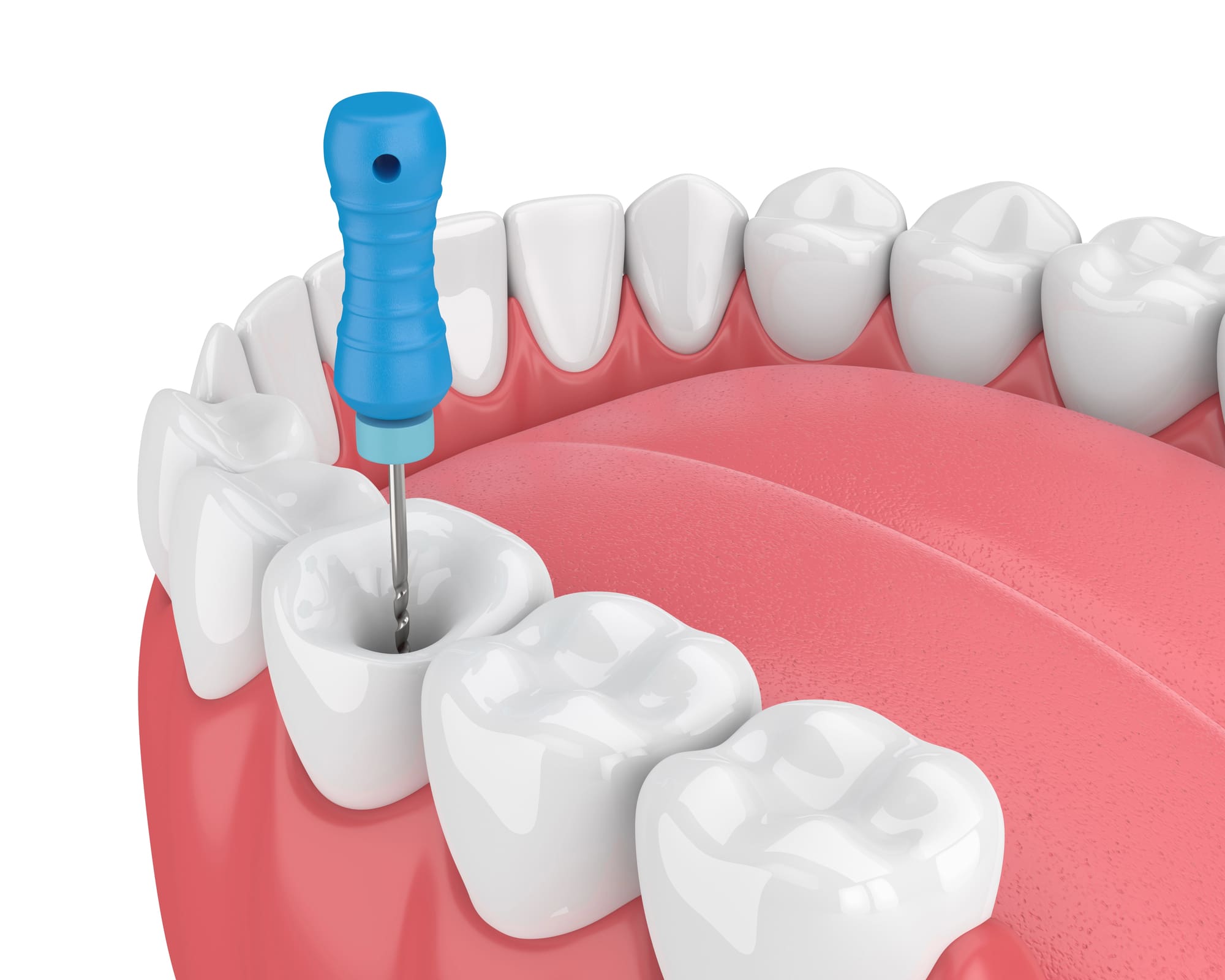
Are you aware of the signs of infection after wisdom teeth removal and when it’s crucial to see a dentist? Recognizing symptoms like persistent pain, swelling, or unusual discharge can be vital in identifying an infection, and seeking professional evaluation is essential if these symptoms occur.
Signs of infection after wisdom teeth removal
Swelling and redness are common occurrences following wisdom teeth extraction, but they can also be indicative of an infection. Typically, some degree of swelling is expected as part of the healing process. However, if the swelling persists or worsens several days after the procedure, it may be a sign of infection. Redness around the extraction site that does not subside or becomes more intense can also signal an underlying issue that requires attention.
Infections can develop when bacteria enter the extraction site, leading to inflammation and discomfort. Monitoring the area for changes in color and size is crucial in identifying potential complications. If you notice these symptoms, it is important to consider seeking professional advice. For more information on managing pain and understanding the recovery process, visit our page on Wisdom Teeth Removal Without Sedation What to Know About Alternative Pain Management.
Persistent Pain
Persistent pain is one of the key signs of infection after wisdom teeth removal. While some discomfort is normal following the procedure, pain that lingers or intensifies over time may indicate an underlying issue. This type of pain can be a signal that the healing process is not progressing as expected, and it may be accompanied by other symptoms such as swelling or redness in the affected area.
If you experience persistent pain along with other signs of infection after wisdom teeth removal, it is important to monitor your symptoms closely. In some cases, this could be a sign that professional evaluation is necessary to ensure proper healing. For those in need of further assistance, consider visiting a dental professional for a comprehensive assessment. You can find more information about this procedure by visiting our page on Wisdom Teeth Extraction Near Elmhurst.
Bleeding or Oozing
One of the key signs of infection after wisdom teeth removal is persistent bleeding or oozing from the extraction site. While some bleeding is normal immediately following the procedure, it should gradually subside. If you notice that the bleeding continues beyond the initial 24 hours or if there is a significant amount of blood, it may indicate an infection. Additionally, oozing of pus or a foul-smelling discharge can be a cause for concern and may require attention from a dental professional. Monitoring these symptoms is crucial to ensure proper healing and to address any potential complications promptly.
Bad Breath or Taste
One of the signs of infection after wisdom teeth removal is experiencing persistent bad breath or an unpleasant taste in your mouth. This can occur when bacteria accumulate in the extraction site, leading to an infection that may not be immediately visible. If you notice these symptoms persisting, it could indicate a problem that requires professional attention. For those in the area, Elmhurst Dental Studio is available for consultations; visit your local Elmhurst Dentist for more information.
Fever or Chills
Experiencing fever or chills can be one of the signs of infection after wisdom teeth removal. These symptoms may indicate that your body is responding to an infection at the extraction site. It’s important to monitor your temperature and be aware of any accompanying symptoms, as a persistent fever or sudden chills could suggest that the healing process is not progressing as expected. If you notice these signs of infection after wisdom teeth removal, it may be necessary to seek professional evaluation to ensure proper recovery.
Difficulty Opening Mouth
One of the signs of infection after wisdom teeth removal is difficulty opening the mouth, a condition known as trismus. This symptom can occur when the muscles around the jaw become inflamed or infected, making it challenging to open the mouth fully. While some stiffness is normal after surgery, persistent or worsening difficulty in opening the mouth may indicate an underlying issue that requires attention. If you experience this symptom along with other signs of infection after wisdom teeth removal, it may be time to consult a dental professional for further evaluation.
Numbness or Tingling
Experiencing numbness or tingling after wisdom teeth removal can be concerning and may be one of the signs of infection after wisdom teeth removal. While some temporary numbness is common due to anesthesia, persistent sensations could indicate nerve irritation or damage. If these symptoms are accompanied by other signs of infection, such as swelling, fever, or discharge, it may be important to consider the possibility of an underlying issue. Monitoring these symptoms closely can help in identifying whether they are part of the normal healing process or if they require further attention.
Pus or Discharge
One of the key signs of infection after wisdom teeth removal is the presence of pus or discharge at the extraction site. This symptom can indicate that bacteria have entered the area, leading to an infection that may require professional attention. Pus is typically a thick, yellowish fluid that can be accompanied by an unpleasant odor, and its presence is a clear signal that the healing process is not progressing as expected. If you notice any discharge, it is important to monitor the situation closely, as it could be a sign that the body is fighting off an infection.
Swollen Lymph Nodes
One of the signs of infection after wisdom teeth removal is the presence of swollen lymph nodes. These small, bean-shaped glands located in your neck and under your jaw can become enlarged as your body responds to an infection. If you notice that your lymph nodes are swollen following your procedure, it may indicate that your body is fighting off bacteria or other pathogens introduced during the surgery. Monitoring this symptom, along with other signs of infection after wisdom teeth removal, can help you determine if further medical evaluation is necessary.
Conclusion
Recognizing the signs of infection after wisdom teeth removal is crucial for your health; if you notice any concerning symptoms, don’t hesitate to call 630-530-0770 or check out our Google Maps reviews.