
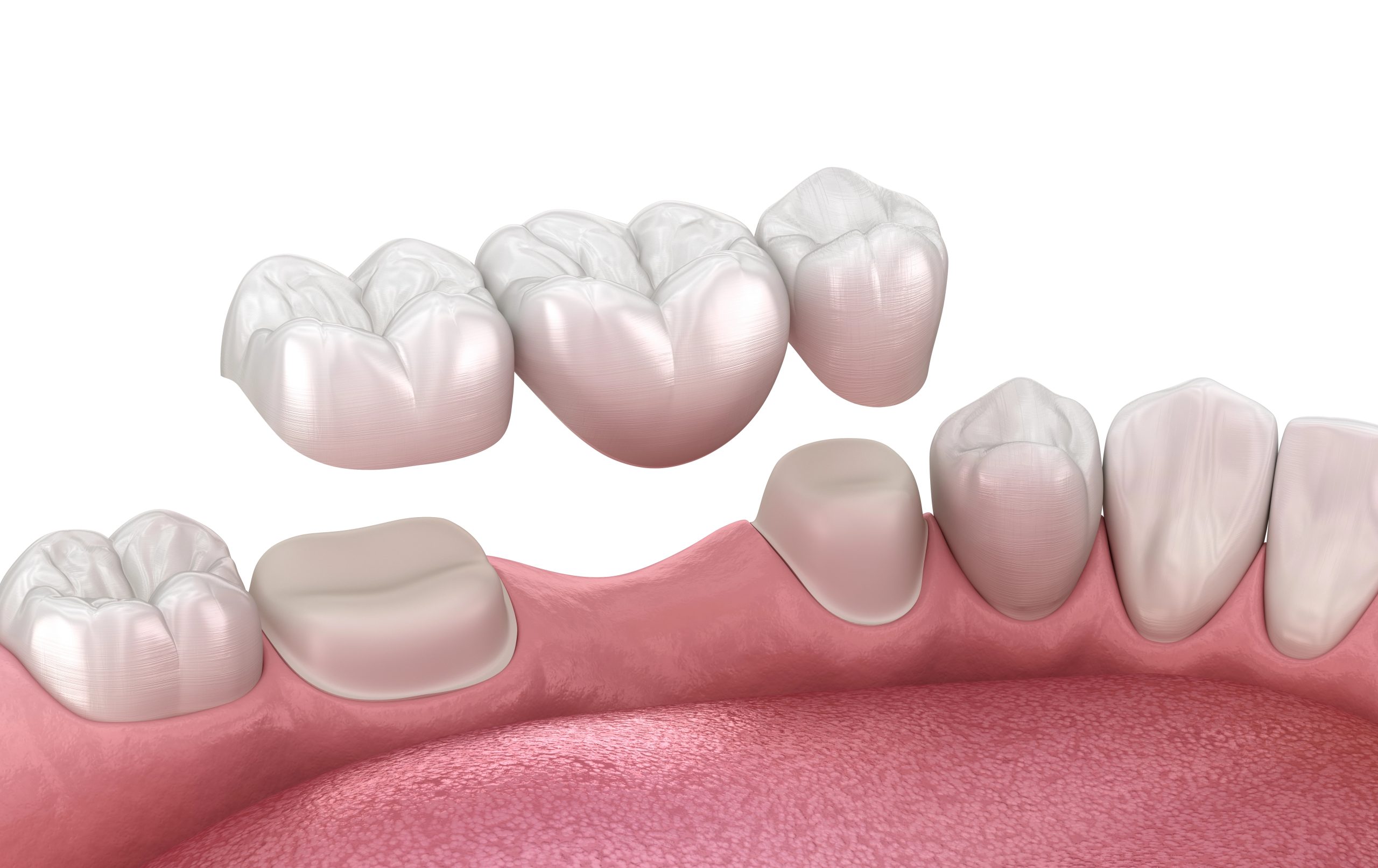
Are you curious about dentures without implants and the traditional options that work? Dentures without implants have been a reliable solution for many seeking to restore their smile and improve oral function. These options continue to provide comfort and practicality for those who prefer or require non-surgical alternatives.
Dentures without Implants: Types of Traditional Dentures
Dentures without implants offer a variety of traditional options for those seeking to restore their smile and oral functionality. Full dentures are a common choice, designed to replace an entire arch of missing teeth. These are custom-made to fit comfortably over the gums, providing a natural appearance and improved chewing ability. Partial dentures, on the other hand, are used when some natural teeth remain. They consist of replacement teeth attached to a gum-colored base, often connected by metal framework, which helps in maintaining the alignment of existing teeth.
Another option within dentures without implants is immediate dentures, which are placed right after tooth extraction. This type allows individuals to have teeth during the healing period, although adjustments may be necessary as the gums and bones settle. For those interested in exploring more about tooth replacement options, the article Dentures vs Bridges: Which Tooth Replacement Is Right for You? provides further insights into the differences and benefits of each method.
Materials Used in Dentures
Dentures without implants are crafted using a variety of materials to ensure durability, comfort, and a natural appearance. The most common materials include acrylic resin, which is lightweight and can be easily adjusted for a perfect fit. Porcelain is another popular choice due to its strength and ability to mimic the translucency of natural teeth. These materials are selected based on their ability to provide a realistic look and feel, ensuring that dentures without implants meet the aesthetic and functional needs of the wearer.
In addition to acrylic and porcelain, metal frameworks are often used to provide additional support and stability. These frameworks are typically made from cobalt-chromium alloys, which are known for their strength and resistance to corrosion. The combination of these materials allows for the creation of dentures that are both reliable and comfortable for daily use. For more information on high-quality options, visit our page on Quality Dentures Elmhurst.
Benefits of Traditional Dentures
Dentures without implants offer a range of benefits for those seeking to restore their smile and oral functionality. These traditional options are typically more affordable and accessible, making them a popular choice for many individuals. They provide a non-invasive solution that can be easily adjusted or replaced as needed, ensuring comfort and adaptability over time. Additionally, traditional dentures can be crafted to closely match the natural appearance of teeth, enhancing both aesthetics and confidence. With advancements in materials and design, dentures without implants continue to be a reliable option for effective tooth replacement.
Limitations of Traditional Dentures
Dentures without implants, while a popular choice for many, come with certain limitations that users should be aware of. Traditional dentures can sometimes lead to discomfort due to their reliance on suction or adhesives for stability, which may not always provide a secure fit. This can result in difficulties with speaking and eating, as well as potential irritation of the gums. Additionally, traditional dentures do not prevent bone loss in the jaw, which can alter the fit over time and require adjustments or replacements. For those considering dentures without implants, understanding these limitations is crucial to managing expectations. For more information on dental options, visit Elmhurst Dentist at Elmhurst Dental Studio.
How Dentures Are Made
Dentures without implants are crafted through a meticulous process that begins with taking precise measurements and impressions of the patient’s mouth to ensure a comfortable fit. These impressions are used to create a detailed model, which serves as a guide for shaping the denture base and selecting appropriately sized artificial teeth. Skilled technicians then carefully assemble the components, ensuring that the dentures align properly and function effectively. The final product is polished and adjusted to meet the specific needs of the wearer, providing a reliable solution for those seeking dentures without implants.
Caring for Your Dentures
Proper care is essential for maintaining the longevity and functionality of dentures without implants. Regular cleaning helps prevent the buildup of plaque and bacteria, ensuring that your dentures remain fresh and comfortable to wear. It’s important to handle them with care to avoid any damage, as they are a crucial part of your daily routine. By focusing on the upkeep of your dentures without implants, you can enjoy a confident smile and maintain oral health.
Common Denture Problems
Dentures without implants can sometimes present challenges for wearers, as they may experience issues such as discomfort, difficulty in speaking or eating, and the potential for dentures to slip or move. These common denture problems can affect daily life, leading to frustration and a lack of confidence. Additionally, some individuals might encounter sore spots or irritation in the mouth due to ill-fitting dentures. While these issues are prevalent, understanding that they are part of the experience with dentures without implants can help in managing expectations and seeking appropriate solutions when necessary.
Adjusting to New Dentures
Adjusting to new dentures without implants can be a unique experience as individuals become accustomed to the feel and function of their new dental appliances. The process involves getting used to speaking, eating, and maintaining oral hygiene with dentures in place. Over time, the mouth adapts to the presence of dentures, and users often find that their confidence in daily activities increases. While the initial period may require patience, many find that dentures without implants provide a satisfactory solution for restoring smiles and improving quality of life.
History of Denture Development
The evolution of dentures without implants dates back centuries, with early examples crafted from materials like wood, ivory, and animal teeth. These primitive solutions were the precursors to modern dentures, which have significantly advanced in comfort and functionality. Over time, the development of dentures without implants has been marked by innovations in materials and techniques, leading to the more natural-looking and durable options available today. This historical journey highlights the ongoing quest to improve oral health and quality of life for those seeking alternatives to dental implants.
Conclusion
Explore the benefits of dentures without implants and see what works best for you. For more information, call us at 630-530-0770 or check out our Google Maps reviews.