
Skip to content

386 N York St #203, Elmhurst, IL 60126

(630) 530-0770

Elmhurst Dental Studio Logo
  • Home
  • About
    • Meet Our Team
  • Services
    • General Dentistry
      • Children’s Dental Cleaning
      • Dental Sealants
      • Digital X-Rays
      • Fluoride Treatments for Children
      • Gum Disease Treatment
      • Oral Cancer Screening
      • Oral Examinations and Consultations
      • Orthodontic Consultations
      • Orthodontic Evaluations for Adults
      • Pediatric Dental Exams
      • Sleep Apnea Diagnosis and Treatment
      • Tooth Fillings
      • TMJ Pain Management and Treatment
    • Cosmetic Dentistry
      • Cosmetic Bonding
      • Cosmetic Dentistry
      • Dental Bridges
      • Dental Crowns
      • Dental Veneers
      • Invisalign
      • Teeth Whitening
      • Botox
      • Dermal Fillers
    • Restorative Dentistry
      • Bone Grafting
      • Dental Implants
      • Dental Implant Surgery
      • Dental Implants and Restorations
      • Dentures
      • Retainers
      • Root Canal Therapy
      • Root Canal Treatment
      • Scaling and Root Planing
      • Space Maintainers
      • TMJ Evaluation
      • TMJ Evaluation
    • Emergency Dentistry
      • Tooth Extractions
      • Wisdom Teeth Removal
    • Nitrous Oxide Sedation
  • Smile Gallery
  • New Patients
  • Blog
  • Contact
Book An Appointment
  • Affordable Wisdom Teeth Removal Near Me How to Find Quality Care at the Best Price

    Affordable Wisdom Teeth Removal Near Me How to Find Quality Care at the Best Price

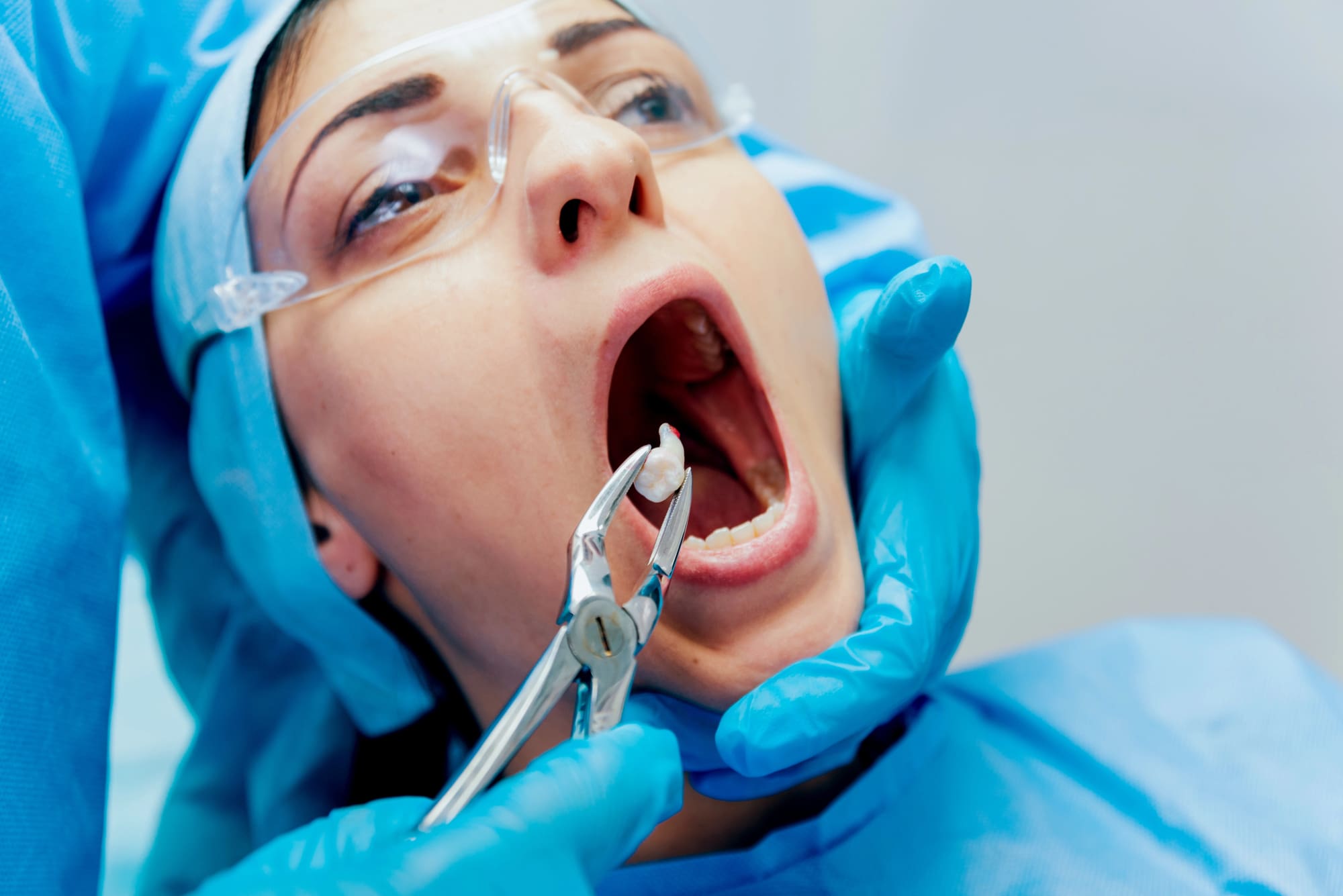
    Are you searching for affordable wisdom teeth removal near me and wondering how to find quality care at the best price? Finding a balance between cost and quality is crucial, and exploring local options can help you make an informed decision. Understanding the factors that influence pricing can also guide you in your search for affordable care.

    Affordable wisdom teeth removal near me

    Understanding the costs associated with wisdom teeth removal is crucial for anyone seeking affordable wisdom teeth removal near me. The price can vary significantly based on factors such as the complexity of the extraction, the type of anesthesia used, and the geographical location of the dental practice. It’s important to consider these variables when evaluating potential expenses, as they can impact the overall cost of the procedure.

    When searching for affordable wisdom teeth removal near me, it’s beneficial to compare different providers to ensure you receive quality care at a reasonable price. Understanding the breakdown of costs can help in making an informed decision. For more information on post-extraction care, you can explore our guide on Best Foods to Eat After Wisdom Teeth Removal A Guide to Healing and Recovery.

    Affordable Wisdom Teeth Removal Near Me

    When searching for affordable wisdom teeth removal near me, it’s essential to compare local dental clinics to ensure you receive quality care at a reasonable price. Start by examining the services offered by various clinics in your area, paying attention to their reputation and patient reviews. This will help you gauge the level of care you can expect and identify any potential red flags. Additionally, consider the experience and qualifications of the dental professionals at each clinic, as this can significantly impact the outcome of your procedure.

    Another important factor to consider is the cost structure of each clinic. Some may offer package deals or payment plans that can make the procedure more affordable. It’s also worth checking if the clinics accept your insurance, as this can further reduce out-of-pocket expenses. By thoroughly comparing these aspects, you can find a clinic that meets your needs without compromising on quality. For more information on affordable wisdom teeth removal near me, visit our page on Wisdom Teeth Removal In Elmhurst.

    Evaluating Dentist Qualifications

    When searching for affordable wisdom teeth removal, it’s important to consider the qualifications of the dentist performing the procedure. A qualified dentist should have the necessary education and credentials, including a degree from an accredited dental school and any relevant certifications or licenses. Additionally, experience in oral surgery and a track record of successful procedures can be indicators of a dentist’s capability. Ensuring that the dentist is well-qualified can provide peace of mind and contribute to a smoother, more effective treatment experience.

    Exploring Payment Plan Options

    When searching for affordable wisdom teeth removal near me, it’s important to consider exploring payment plan options that can make the procedure more manageable financially. Many dental practices offer flexible payment plans that allow patients to spread the cost over time, easing the immediate financial burden. By discussing these options with your dental provider, you can find a plan that aligns with your budget and ensures you receive the necessary care without delay. For those in the Elmhurst area, Elmhurst Dentist is a resource to consider when looking into such options.

    Insurance Coverage for Oral Surgery

    When searching for affordable wisdom teeth removal near me, understanding your insurance coverage for oral surgery is crucial. Many dental insurance plans offer partial or full coverage for wisdom teeth extraction, but the extent of coverage can vary significantly. It’s important to review your policy details to determine what portion of the procedure costs will be covered and what out-of-pocket expenses you might incur. Knowing your insurance benefits can help you plan financially and ensure you receive quality care without unexpected costs.

    Community Health Resources

    When searching for “affordable wisdom teeth removal near me,” exploring community health resources can be a valuable step. Many communities offer access to dental clinics that provide services on a sliding scale based on income, making it easier to find affordable options. These resources often collaborate with local health departments and non-profit organizations to ensure that essential dental care, including wisdom teeth removal, is accessible to everyone. By leveraging these community-based services, individuals can find quality care that fits their budget without compromising on the standard of treatment.

    Student Dental Clinics Availability

    When searching for affordable wisdom teeth removal near me, considering student dental clinics can be a viable option. These clinics, often associated with dental schools, provide services performed by students under the supervision of experienced professionals. This setup can offer a balance between quality care and cost-effectiveness, making it an attractive choice for those seeking budget-friendly dental procedures. Availability may vary based on location and the specific offerings of each institution, but they can be a resource worth exploring for those prioritizing affordability in their dental care journey.

    Seasonal Discounts and Offers

    When searching for affordable wisdom teeth removal near me, it’s beneficial to keep an eye out for seasonal discounts and offers that may be available at various times throughout the year. Many dental practices may provide special pricing during certain seasons or holidays, which can significantly reduce the overall cost of the procedure. These promotions can make it easier to access quality care without straining your budget, ensuring that you receive the necessary treatment at a price that aligns with your financial needs.

    Importance of Post-Op Care

    After undergoing affordable wisdom teeth removal near me, ensuring proper post-operative care is crucial for a smooth recovery. This phase is essential to minimize discomfort, prevent complications, and promote healing. Adhering to recommended care practices can significantly impact the overall outcome of the procedure, helping to maintain oral health and well-being.

    Conclusion

    Discovering affordable wisdom teeth removal near me is just a call away; dial 630-530-0770 or check out the reviews on Google Maps for more information.


    Elmhurst Admin

    March 20, 2025
  • Best Foods to Eat After Wisdom Teeth Removal A Guide to Healing and Recovery

    Best Foods to Eat After Wisdom Teeth Removal A Guide to Healing and Recovery

    What are the best foods to eat after wisdom teeth removal to ensure a smooth healing process? The best foods to eat after wisdom teeth removal are typically soft and easy to consume, helping to minimize discomfort. Choosing the right foods can aid in recovery and provide necessary nutrients.

    Best Foods to Eat After Wisdom Teeth Removal

    After undergoing wisdom teeth removal, it’s important to focus on consuming soft foods for easy chewing to aid in the healing process. These foods are gentle on the gums and help minimize discomfort while providing necessary nutrients. Incorporating a variety of soft foods can ensure that you maintain a balanced diet without putting strain on the surgical area.

    Choosing the best foods to eat after wisdom teeth removal can significantly impact your recovery experience. Soft foods like mashed potatoes, yogurt, and applesauce are excellent options that require minimal chewing and are easy to swallow. For more information on recovery, you can read about How Long Does Wisdom Teeth Removal Take to Heal What to Expect During Recovery.

    Hydration and Liquid Nutrition

    After wisdom teeth removal, maintaining proper hydration and consuming liquid nutrition are crucial for a smooth recovery. Staying hydrated helps to keep the body functioning optimally and supports the healing process. Liquid nutrition, such as broths and smoothies, provides essential nutrients without the need for chewing, which can be uncomfortable during the initial recovery phase. These liquids can help maintain energy levels and ensure that the body receives the necessary vitamins and minerals.

    Incorporating a variety of hydrating liquids into your diet can aid in reducing inflammation and promoting tissue repair. It’s important to choose liquids that are gentle on the mouth and easy to consume. For more information on post-operative care and recovery, consider exploring our Elmhurst Wisdom Teeth Removal Services.

    Nutrient-Rich Smoothie Options

    When considering the best foods to eat after wisdom teeth removal, nutrient-rich smoothies can be a soothing and beneficial choice. These smoothies can be crafted with a variety of fruits and vegetables, providing essential vitamins and minerals that support healing. Blending ingredients like bananas, berries, spinach, and yogurt can create a smooth texture that is easy to consume without irritating sensitive areas. Incorporating protein sources such as nut butters or protein powders can also enhance the nutritional value, making smoothies a versatile option during recovery.

    Protein Sources for Recovery

    After wisdom teeth removal, incorporating protein-rich foods into your diet is essential for promoting healing and recovery. Soft and easy-to-eat options like scrambled eggs, Greek yogurt, and cottage cheese can provide the necessary nutrients without causing discomfort. These foods are among the best foods to eat after wisdom teeth removal, as they help maintain energy levels and support tissue repair. For more information on post-surgery care, visit Elmhurst Dental Studio at Elmhurst Dentist.

    Avoiding Spicy and Acidic Foods

    After wisdom teeth removal, it’s important to be mindful of your diet to promote healing and recovery. One key consideration is avoiding spicy and acidic foods, as they can irritate the sensitive areas in your mouth and potentially slow down the healing process. These types of foods may cause discomfort or even pain, making it more challenging to enjoy meals during recovery. Instead, focusing on the best foods to eat after wisdom teeth removal can help ensure a smoother and more comfortable healing experience.

    Temperature Considerations for Comfort

    When considering the best foods to eat after wisdom teeth removal, temperature plays a crucial role in ensuring comfort during recovery. Opting for foods that are neither too hot nor too cold can help minimize discomfort and promote healing. Consuming foods at a moderate temperature can prevent irritation to sensitive areas and contribute to a more soothing eating experience. Balancing temperature with texture is essential in selecting the best foods to eat after wisdom teeth removal, as it aids in maintaining comfort and supporting the recovery process.

    Importance of Balanced Meals

    After undergoing wisdom teeth removal, consuming balanced meals plays a crucial role in the healing process. Ensuring that your diet includes a variety of nutrients can aid in recovery and provide the energy needed for your body to heal effectively. The best foods to eat after wisdom teeth removal should be soft and easy to consume, while still offering a mix of proteins, carbohydrates, and healthy fats. This balance helps maintain overall health and supports tissue repair, making it an essential aspect of post-surgery care.

    Foods to Avoid Post-Surgery

    After wisdom teeth removal, it’s crucial to be mindful of what you eat to ensure a smooth recovery. While exploring the best foods to eat after wisdom teeth removal, it’s equally important to know which foods to avoid. Hard, crunchy, or sticky foods can irritate the surgical site and prolong healing. Spicy foods may cause discomfort, while acidic foods can lead to irritation. Additionally, hot beverages and foods should be avoided as they might disrupt the healing process. By steering clear of these foods, you can focus on consuming the best foods to eat after wisdom teeth removal for optimal recovery.

    Gradual Reintroduction of Solids

    After wisdom teeth removal, it’s important to focus on the gradual reintroduction of solids into your diet. Initially, soft foods are recommended, but as healing progresses, incorporating more solid foods becomes essential. This transition should be done carefully to ensure comfort and avoid complications. The best foods to eat after wisdom teeth removal during this phase are those that are easy to chew and swallow, allowing for a smooth adjustment back to a regular diet while supporting the healing process.

    Conclusion

    For more information on the best foods to eat after wisdom teeth removal, call us at 630-530-0770 or check out our Google Maps reviews.

    Elmhurst Admin

    March 20, 2025
  • How Long Does Wisdom Teeth Removal Take to Heal What to Expect During Recovery

    How Long Does Wisdom Teeth Removal Take to Heal What to Expect During Recovery

    How long does wisdom teeth removal take to heal, and what should you expect during recovery? Generally, the healing process can take a few days to a couple of weeks, with most people experiencing significant improvement within the first week.

    How long does wisdom teeth removal take to heal

    The initial recovery timeline after wisdom teeth removal can vary, but most individuals can expect the first phase of healing to last about one to two weeks. During this period, the body focuses on reducing swelling and beginning the repair of the surgical site. It’s common to experience some discomfort, swelling, and minor bleeding in the first few days. By the end of the first week, many people notice a significant reduction in these symptoms, although complete healing may take longer.

    Understanding the full recovery process is essential for setting realistic expectations. While the initial recovery phase is crucial, complete healing can take several weeks to months, depending on individual health factors and the complexity of the extraction. For more information on related topics, you can explore our article on Wisdom Teeth Removal Cost With Insurance Understanding Coverage and Out-of-Pocket Expenses.

    Common Post-Surgery Symptoms

    After undergoing wisdom teeth removal, it’s common to experience a range of post-surgery symptoms as your body begins the healing process. Swelling and discomfort in the jaw area are typical, often accompanied by mild bruising. Many patients also report a limited ability to open their mouths fully, which gradually improves over time. Bleeding is another symptom that may occur shortly after the procedure but usually subsides within a few hours. Understanding these symptoms can help set realistic expectations for how long does wisdom teeth removal take to heal.

    In addition to physical symptoms, some individuals may experience a temporary change in taste or sensation in the mouth. This is generally due to the proximity of the wisdom teeth to nerves in the jaw. While these symptoms can be concerning, they are usually temporary and part of the normal recovery process. If you’re curious about the procedure and recovery timeline, you might want to explore more about it and consider getting your wisdom teeth removed in Elmhurst by visiting our page on Get Wisdom Teeth Removed In Elmhurst.

    Swelling and Bruising Duration

    After wisdom teeth removal, swelling and bruising are common parts of the healing process. Typically, swelling peaks around the second or third day post-surgery and gradually subsides over the next few days. Bruising may also appear and can last for up to two weeks. The extent of swelling and bruising varies from person to person, but these symptoms are generally temporary. When considering how long does wisdom teeth removal take to heal, it’s important to remember that while swelling and bruising are noticeable early on, they are just one aspect of the overall recovery timeline.

    Pain Management Expectations

    After wisdom teeth removal, managing pain is a crucial part of the healing process. Patients can expect some discomfort and swelling, which typically peaks within the first few days post-surgery. The duration of pain varies, but it generally subsides as the healing progresses. Understanding how long does wisdom teeth removal take to heal can help set realistic expectations for recovery. For more information on dental care, visit Elmhurst Dentist at Elmhurst Dental Studio.

    Diet Adjustments After Surgery

    After undergoing wisdom teeth removal, it’s important to consider diet adjustments to aid in the healing process. During the initial recovery phase, which can influence how long it takes for wisdom teeth removal to heal, soft foods are generally recommended to minimize discomfort and avoid disturbing the surgical site. Foods that require minimal chewing and are easy to swallow can help ensure a smoother recovery. As healing progresses, gradually reintroducing a wider variety of foods can be beneficial, but it’s essential to listen to your body’s cues and proceed at a comfortable pace.

    Oral Hygiene During Recovery

    Maintaining proper oral hygiene is crucial during the recovery period after wisdom teeth removal. While wondering “how long does wisdom teeth removal take to heal,” it’s important to understand that keeping the mouth clean can support the healing process. Gently rinsing with a mild solution and avoiding vigorous brushing near the extraction site can help maintain cleanliness without disrupting the healing tissues. As the days progress, incorporating careful oral hygiene practices can contribute to a smoother recovery experience.

    Activity Restrictions Post-Extraction

    After undergoing wisdom teeth removal, it’s crucial to understand the activity restrictions that are typically advised during the recovery period. How long does wisdom teeth removal take to heal can vary, but generally, patients are encouraged to limit physical exertion and avoid activities that could disrupt the healing process. This includes refraining from strenuous exercise, heavy lifting, and any actions that might increase blood pressure or cause discomfort in the surgical area. Following these guidelines helps ensure a smoother recovery and minimizes the risk of complications.

    Follow-Up Appointments Importance

    Understanding how long does wisdom teeth removal take to heal involves recognizing the critical role of follow-up appointments. These appointments are essential for monitoring the healing process and ensuring that there are no complications such as infections or dry sockets. During these visits, your dental professional will assess the surgical site, remove any stitches if necessary, and provide reassurance about your recovery progress. Regular follow-up appointments help ensure that the healing timeline stays on track and that any issues are addressed promptly, contributing to a smoother recovery experience.

    Signs of Complications to Watch

    During the recovery period, it’s important to monitor for any signs of complications that may arise after wisdom teeth removal. While the question “How long does wisdom teeth removal take to heal?” is common, healing times can vary, and being aware of potential issues is crucial. Look out for symptoms such as severe pain, excessive bleeding, swelling that worsens after a few days, or signs of infection like fever and pus. If any of these symptoms occur, it may indicate a complication that requires attention.

    Conclusion

    Understanding how long does wisdom teeth removal take to heal is crucial for a smooth recovery. For more information, call us at 630-530-0770 or check out our Google Maps reviews.

    Elmhurst Admin

    March 20, 2025
  • Wisdom Teeth Removal Cost With Insurance Understanding Coverage and Out-of-Pocket Expenses

    Wisdom Teeth Removal Cost With Insurance Understanding Coverage and Out-of-Pocket Expenses

    How much does wisdom teeth removal cost with insurance, and what should you know about coverage and out-of-pocket expenses? Understanding the nuances of insurance coverage can help clarify potential costs, but out-of-pocket expenses may still vary based on individual plans and specific procedures.

    Wisdom teeth removal cost with insurance

    Understanding dental insurance basics is crucial when considering the wisdom teeth removal cost with insurance. Dental insurance plans often cover a portion of the procedure, but the extent of coverage can vary significantly depending on the specifics of your plan. Typically, insurance may cover a percentage of the extraction cost, but you might still be responsible for certain out-of-pocket expenses. It’s important to review your policy details to understand what is covered and what isn’t, as this will help you anticipate any additional costs you may incur.

    When evaluating the wisdom teeth removal cost with insurance, it’s essential to consider factors such as deductibles, co-pays, and annual maximums. These elements can influence the total amount you will need to pay. Additionally, some plans may require pre-authorization before the procedure, which could affect the timing and approval of your coverage. For more information on related topics, you can explore our article on Signs of Infection After Wisdom Teeth Removal Symptoms to Watch For and When to See a Dentist.

    Coverage for Wisdom Teeth Extraction

    Understanding the wisdom teeth removal cost with insurance is crucial for those planning to undergo this common dental procedure. Insurance coverage for wisdom teeth extraction can vary significantly depending on the provider and the specific plan. Typically, dental insurance plans may cover a portion of the procedure, especially if it is deemed medically necessary. However, patients should be aware that there might be limitations or exclusions, such as coverage only for impacted teeth or a cap on the amount reimbursed.

    It’s important to review your insurance policy to determine what portion of the wisdom teeth removal cost with insurance will be covered and what will be your out-of-pocket responsibility. Some plans may require a deductible to be met before coverage kicks in, while others might cover a percentage of the total cost. For those seeking more information on this topic, Elmhurst’s Wisdom Teeth Removal Experts provide detailed insights on their website.

    In-Network vs. Out-of-Network Costs

    When considering wisdom teeth removal cost with insurance, it’s important to understand the difference between in-network and out-of-network providers. In-network providers have pre-negotiated rates with your insurance company, which often results in lower out-of-pocket expenses for the patient. Conversely, choosing an out-of-network provider may lead to higher costs, as these providers do not have a set agreement with your insurance, potentially leaving you responsible for a larger portion of the bill. Understanding these distinctions can significantly impact the overall financial burden of wisdom teeth removal.

    Deductibles and Co-Payments Explained

    When considering the wisdom teeth removal cost with insurance, it’s essential to understand how deductibles and co-payments can affect your out-of-pocket expenses. A deductible is the amount you pay for covered health care services before your insurance plan starts to pay. Once the deductible is met, you may still be responsible for a co-payment, which is a fixed amount you pay for a specific service. These factors can significantly influence the total cost of your procedure. For more information on dental services, visit Elmhurst Dentist.

    Maximum Annual Benefit Limits

    When considering the cost of wisdom teeth removal with insurance, it’s important to understand the concept of maximum annual benefit limits. These limits refer to the maximum amount your dental insurance plan will pay for covered services within a calendar year. Once this limit is reached, any additional dental expenses, including those for wisdom teeth extraction, may need to be paid out-of-pocket. It’s crucial to review your insurance policy to determine your specific annual benefit limit, as it can significantly impact your overall expenses for dental procedures.

    Pre-Authorization Requirements

    Understanding pre-authorization requirements is crucial when considering wisdom teeth removal cost with insurance. Many insurance plans necessitate obtaining pre-authorization before undergoing the procedure to ensure coverage. This process involves your dental provider submitting a request to your insurance company, detailing the necessity of the surgery. Without this approval, you may face unexpected out-of-pocket expenses, as the insurance might not cover the procedure. It’s essential to verify with your insurance provider whether pre-authorization is needed to avoid any surprises related to wisdom teeth removal cost with insurance.

    Impact of Policy Exclusions

    When considering wisdom teeth removal cost with insurance, it’s crucial to understand how policy exclusions can affect your financial responsibility. Insurance plans often have specific exclusions that may limit coverage for certain procedures, including dental surgeries like wisdom teeth extraction. These exclusions can lead to higher out-of-pocket expenses, as the insurance may not cover all aspects of the procedure. Being aware of these potential exclusions is essential for accurately estimating the total cost of wisdom teeth removal with insurance.

    Estimating Out-of-Pocket Expenses

    When considering wisdom teeth removal cost with insurance, it’s essential to understand that out-of-pocket expenses can vary significantly based on your specific insurance plan and coverage details. Factors such as deductibles, co-pays, and the percentage of the procedure covered by your insurance will influence the final amount you need to pay. Additionally, the type of extraction required—whether it’s a simple extraction or a more complex surgical procedure—can also impact costs. To get a clearer picture of your potential expenses, reviewing your insurance policy and consulting with your dental provider can provide valuable insights into what you might expect to pay beyond what your insurance covers.

    Comparing Different Insurance Plans

    When evaluating the wisdom teeth removal cost with insurance, it’s essential to compare different insurance plans to understand how coverage can vary. Some plans may cover a significant portion of the procedure, while others might only offer minimal assistance, leaving you with higher out-of-pocket expenses. Factors such as deductibles, co-pays, and annual maximums can influence the overall cost you incur. By examining these elements across various plans, you can gain a clearer picture of potential financial responsibilities associated with wisdom teeth removal.

    Conclusion

    Understanding the wisdom teeth removal cost with insurance can help you plan better; for more information, call 630-530-0770 or check out reviews on Google Maps.

    Elmhurst Admin

    March 20, 2025
  • Signs of Infection After Wisdom Teeth Removal Symptoms to Watch For and When to See a Dentist

    Signs of Infection After Wisdom Teeth Removal Symptoms to Watch For and When to See a Dentist

    Are you aware of the signs of infection after wisdom teeth removal and when it’s crucial to see a dentist? Recognizing symptoms like persistent pain, swelling, or unusual discharge can be vital in identifying an infection, and seeking professional evaluation is essential if these symptoms occur.

    Signs of infection after wisdom teeth removal

    Swelling and redness are common occurrences following wisdom teeth extraction, but they can also be indicative of an infection. Typically, some degree of swelling is expected as part of the healing process. However, if the swelling persists or worsens several days after the procedure, it may be a sign of infection. Redness around the extraction site that does not subside or becomes more intense can also signal an underlying issue that requires attention.

    Infections can develop when bacteria enter the extraction site, leading to inflammation and discomfort. Monitoring the area for changes in color and size is crucial in identifying potential complications. If you notice these symptoms, it is important to consider seeking professional advice. For more information on managing pain and understanding the recovery process, visit our page on Wisdom Teeth Removal Without Sedation What to Know About Alternative Pain Management.

    Persistent Pain

    Persistent pain is one of the key signs of infection after wisdom teeth removal. While some discomfort is normal following the procedure, pain that lingers or intensifies over time may indicate an underlying issue. This type of pain can be a signal that the healing process is not progressing as expected, and it may be accompanied by other symptoms such as swelling or redness in the affected area.

    If you experience persistent pain along with other signs of infection after wisdom teeth removal, it is important to monitor your symptoms closely. In some cases, this could be a sign that professional evaluation is necessary to ensure proper healing. For those in need of further assistance, consider visiting a dental professional for a comprehensive assessment. You can find more information about this procedure by visiting our page on Wisdom Teeth Extraction Near Elmhurst.

    Bleeding or Oozing

    One of the key signs of infection after wisdom teeth removal is persistent bleeding or oozing from the extraction site. While some bleeding is normal immediately following the procedure, it should gradually subside. If you notice that the bleeding continues beyond the initial 24 hours or if there is a significant amount of blood, it may indicate an infection. Additionally, oozing of pus or a foul-smelling discharge can be a cause for concern and may require attention from a dental professional. Monitoring these symptoms is crucial to ensure proper healing and to address any potential complications promptly.

    Bad Breath or Taste

    One of the signs of infection after wisdom teeth removal is experiencing persistent bad breath or an unpleasant taste in your mouth. This can occur when bacteria accumulate in the extraction site, leading to an infection that may not be immediately visible. If you notice these symptoms persisting, it could indicate a problem that requires professional attention. For those in the area, Elmhurst Dental Studio is available for consultations; visit your local Elmhurst Dentist for more information.

    Fever or Chills

    Experiencing fever or chills can be one of the signs of infection after wisdom teeth removal. These symptoms may indicate that your body is responding to an infection at the extraction site. It’s important to monitor your temperature and be aware of any accompanying symptoms, as a persistent fever or sudden chills could suggest that the healing process is not progressing as expected. If you notice these signs of infection after wisdom teeth removal, it may be necessary to seek professional evaluation to ensure proper recovery.

    Difficulty Opening Mouth

    One of the signs of infection after wisdom teeth removal is difficulty opening the mouth, a condition known as trismus. This symptom can occur when the muscles around the jaw become inflamed or infected, making it challenging to open the mouth fully. While some stiffness is normal after surgery, persistent or worsening difficulty in opening the mouth may indicate an underlying issue that requires attention. If you experience this symptom along with other signs of infection after wisdom teeth removal, it may be time to consult a dental professional for further evaluation.

    Numbness or Tingling

    Experiencing numbness or tingling after wisdom teeth removal can be concerning and may be one of the signs of infection after wisdom teeth removal. While some temporary numbness is common due to anesthesia, persistent sensations could indicate nerve irritation or damage. If these symptoms are accompanied by other signs of infection, such as swelling, fever, or discharge, it may be important to consider the possibility of an underlying issue. Monitoring these symptoms closely can help in identifying whether they are part of the normal healing process or if they require further attention.

    Pus or Discharge

    One of the key signs of infection after wisdom teeth removal is the presence of pus or discharge at the extraction site. This symptom can indicate that bacteria have entered the area, leading to an infection that may require professional attention. Pus is typically a thick, yellowish fluid that can be accompanied by an unpleasant odor, and its presence is a clear signal that the healing process is not progressing as expected. If you notice any discharge, it is important to monitor the situation closely, as it could be a sign that the body is fighting off an infection.

    Swollen Lymph Nodes

    One of the signs of infection after wisdom teeth removal is the presence of swollen lymph nodes. These small, bean-shaped glands located in your neck and under your jaw can become enlarged as your body responds to an infection. If you notice that your lymph nodes are swollen following your procedure, it may indicate that your body is fighting off bacteria or other pathogens introduced during the surgery. Monitoring this symptom, along with other signs of infection after wisdom teeth removal, can help you determine if further medical evaluation is necessary.

    Conclusion

    Recognizing the signs of infection after wisdom teeth removal is crucial for your health; if you notice any concerning symptoms, don’t hesitate to call 630-530-0770 or check out our Google Maps reviews.

    Elmhurst Admin

    March 20, 2025
  • Wisdom Teeth Removal Without Sedation What to Know About Alternative Pain Management

    Wisdom Teeth Removal Without Sedation What to Know About Alternative Pain Management

    Are you curious about wisdom teeth removal without sedation and the alternative pain management options available? While sedation is common, some individuals explore other methods to manage discomfort, focusing on non-sedative approaches to ensure a more conscious experience.

    Wisdom teeth removal without sedation

    Understanding the wisdom teeth removal process is crucial for those considering wisdom teeth removal without sedation. This procedure involves extracting the third molars, which often cause discomfort or alignment issues as they emerge. Without sedation, patients remain fully conscious, relying on local anesthesia to numb the area and manage pain during the extraction. This approach can be suitable for individuals who prefer to avoid the risks associated with general anesthesia or have specific medical conditions that make sedation less desirable.

    For those exploring options for wisdom teeth removal without sedation, it’s important to understand the steps involved in the procedure. The dentist or oral surgeon will first administer a local anesthetic to ensure the area is numb. Once the anesthesia takes effect, the extraction process begins, which may involve cutting into the gum tissue and removing any bone blocking access to the tooth. After the tooth is extracted, stitches may be necessary to close the wound. For more information on finding quality care, visit our page on Affordable Wisdom Teeth Removal Near Me How to Find Quality Care at the Best Price.

    Local Anesthesia vs. Sedation

    When considering wisdom teeth removal without sedation, understanding the difference between local anesthesia and sedation is crucial. Local anesthesia involves numbing a specific area of the mouth, allowing patients to remain fully conscious during the procedure. This method can be beneficial for those who prefer to avoid the effects of sedation, as it minimizes recovery time and allows individuals to maintain awareness throughout the extraction process.

    In contrast, sedation typically involves medication that helps patients relax or even sleep during the procedure. While sedation can provide a more comfortable experience for some, others may opt for local anesthesia to avoid potential side effects associated with sedative drugs. For those interested in learning more about their options for wisdom teeth removal, Elmhurst Wisdom Teeth Extraction Services offers detailed information on various approaches to this common dental procedure.

    Pain Management Options Overview

    When considering wisdom teeth removal without sedation, understanding the available pain management options is crucial. Various methods can help manage discomfort during and after the procedure, ensuring a more comfortable experience. These options may include local anesthesia to numb the specific area, over-the-counter medications to alleviate pain, and natural remedies that some individuals find beneficial. Each approach offers different levels of relief, allowing patients to choose what aligns best with their personal preferences and medical needs.

    Natural Pain Relief Methods

    For those considering wisdom teeth removal without sedation, exploring natural pain relief methods can be an option to manage discomfort. Techniques such as applying cold compresses, practicing relaxation exercises, and maintaining a balanced diet may contribute to overall comfort during the recovery process. It’s important to understand that individual experiences with pain management can vary, and what works for one person may not work for another. If you’re seeking more information on wisdom teeth removal without sedation, consider reaching out to Elmhurst Dentist at Elmhurst Dental Studio for guidance.

    Post-Procedure Recovery Expectations

    After undergoing wisdom teeth removal without sedation, patients can expect a recovery period that involves managing discomfort and swelling. It’s common to experience some pain and sensitivity in the affected area, which may last for several days. Swelling and bruising around the jaw are also typical post-procedure symptoms. Maintaining oral hygiene is crucial during this time to prevent infection and promote healing. Patients should be prepared for a gradual return to normal eating habits as the healing process progresses. Rest and allowing the body to heal naturally are important aspects of recovery following wisdom teeth removal without sedation.

    Managing Anxiety During Procedure

    Undergoing wisdom teeth removal without sedation can be a source of anxiety for many individuals. The anticipation of the procedure, coupled with the awareness of being fully conscious, may heighten feelings of nervousness. It’s important to acknowledge these emotions and understand that they are a natural response to the situation. Being informed about the process and having a clear understanding of what to expect can help in managing anxiety levels. Creating a calm environment and focusing on relaxation techniques may also contribute to a more comfortable experience during wisdom teeth removal without sedation.

    Communicating with Your Dentist

    When considering wisdom teeth removal without sedation, effective communication with your dentist is crucial. Discussing your concerns and preferences openly can help ensure that your dentist understands your comfort levels and pain management needs. By having a detailed conversation about the procedure, you can gain a clearer understanding of what to expect and how alternative pain management options might be integrated into your treatment plan. This dialogue can also help alleviate any anxiety you may have about undergoing wisdom teeth removal without sedation, as your dentist can provide reassurance and address any questions you might have.

    Recognizing Complications and Symptoms

    After undergoing wisdom teeth removal without sedation, it’s important to be aware of potential complications and symptoms that may arise during the recovery process. Common signs to monitor include persistent swelling, excessive bleeding, or severe pain that doesn’t subside with time. Additionally, symptoms such as fever, difficulty swallowing, or a bad taste in the mouth could indicate an infection or other issues that may require attention. Being vigilant about these symptoms can help ensure a smoother recovery and address any concerns promptly.

    Long-term Oral Health Considerations

    When considering wisdom teeth removal without sedation, it’s important to think about the long-term oral health implications. The decision to forgo sedation can influence the overall experience and recovery process, but it also plays a role in how you manage your oral health in the future. Ensuring that the procedure is performed with care and attention to pain management can help maintain the integrity of your oral health over time. Proper healing and monitoring after wisdom teeth removal without sedation are crucial to prevent complications that could affect your dental health in the long run.

    Conclusion

    Exploring options for wisdom teeth removal without sedation can be a crucial step in your dental journey. For more information, call 630-530-0770 or check out reviews on Google Maps.

    Elmhurst Admin

    March 20, 2025

Elmhurst Dental Studio

Proudly making smiles brighter in the Elmhurst area.

Book An Appointment

Contact

386 N York St #203, Elmhurst, IL 60126

(630) 530-0770

Services

  • Cosmetic Dentistry

  • Emergency Dentistry

  • General Dentistry

Hours

Monday: 9 AM–5 PM
Tuesday: 9 AM–5 PM
Wednesday: 9 AM–5 PM
Thursday: 9 AM–5 PM
Friday: Closed
Saturday: Closed
Sunday: Closed

© 2026 Elmhurst Dental Studio. Privacy Policy

Ready to Schedule An Appointment?