Skip to content

386 N York St #203, Elmhurst, IL 60126

(630) 530-0770

Elmhurst Dental Studio Logo
  • Home
  • About
    • Meet Our Team
  • Services
    • General Dentistry
      • Children’s Dental Cleaning
      • Dental Sealants
      • Digital X-Rays
      • Fluoride Treatments for Children
      • Gum Disease Treatment
      • Oral Cancer Screening
      • Oral Examinations and Consultations
      • Orthodontic Consultations
      • Orthodontic Evaluations for Adults
      • Pediatric Dental Exams
      • Sleep Apnea Diagnosis and Treatment
      • Tooth Fillings
      • TMJ Pain Management and Treatment
    • Cosmetic Dentistry
      • Cosmetic Bonding
      • Cosmetic Dentistry
      • Dental Bridges
      • Dental Crowns
      • Dental Veneers
      • Invisalign
      • Teeth Whitening
      • Botox
      • Dermal Fillers
    • Restorative Dentistry
      • Bone Grafting
      • Dental Implants
      • Dental Implant Surgery
      • Dental Implants and Restorations
      • Dentures
      • Retainers
      • Root Canal Therapy
      • Root Canal Treatment
      • Scaling and Root Planing
      • Space Maintainers
      • TMJ Evaluation
      • TMJ Evaluation
    • Emergency Dentistry
      • Tooth Extractions
      • Wisdom Teeth Removal
    • Nitrous Oxide Sedation
  • Smile Gallery
  • New Patients
  • Blog
  • Contact
Book An Appointment
  • Dental Sealants Near Me: Protective Shield for Hard-to-Reach Molars

    Dental Sealants Near Me: Protective Shield for Hard-to-Reach Molars

    Dental sealants near me

    Understanding Dental Sealants Basics

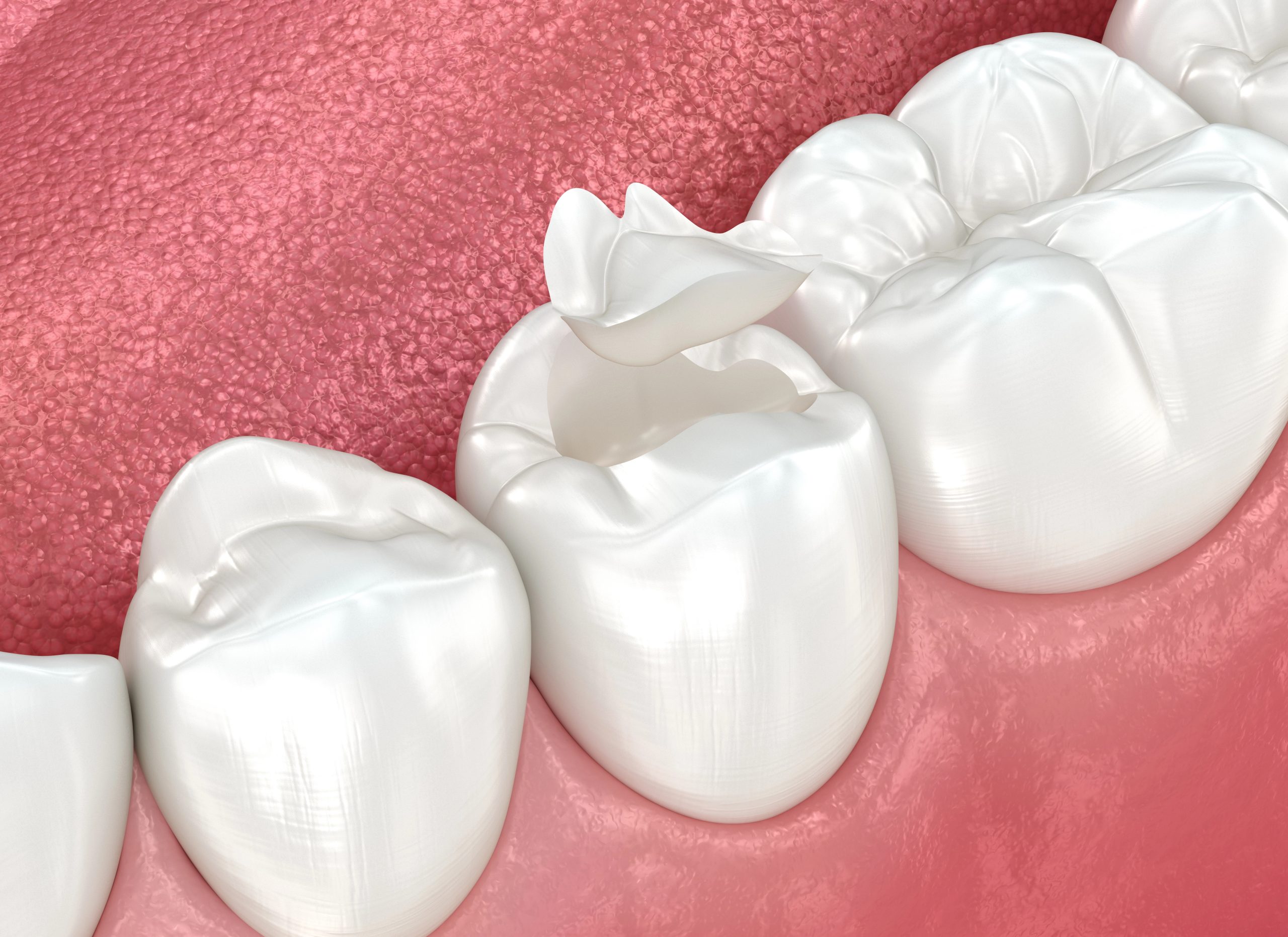
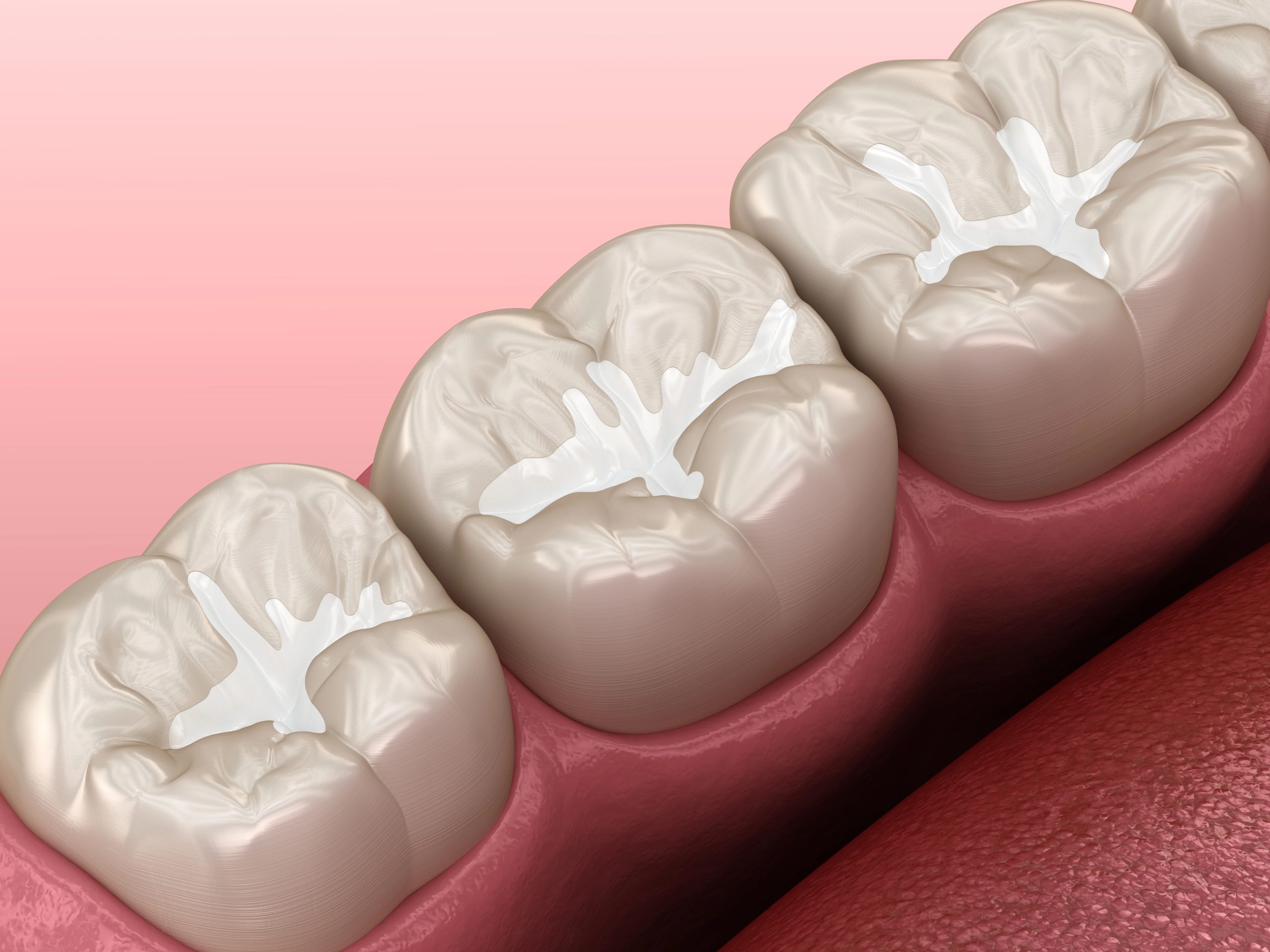
    Dental sealants near me are a thin, protective coating applied to the chewing surfaces of the back teeth, primarily the molars and premolars. These sealants act as a barrier, protecting enamel from plaque and acids. The application process is quick and painless, making it an effective preventive measure for maintaining oral health. Sealants are particularly beneficial for children and teenagers, as their newly erupted permanent teeth are most susceptible to cavities.

    The effectiveness of dental sealants near me lies in their ability to cover the grooves and depressions of the teeth, areas that are often difficult to clean with regular brushing. This protective shield helps in reducing the risk of tooth decay significantly. For those interested in learning more about cost-effective options, consider exploring Affordable Dental Sealants: Prevent Cavities Without High Costs.

    Dental Sealants Near Me

    Dental sealants provide a protective barrier for molars, which are often difficult to clean thoroughly due to their location and grooves. This shield helps in reducing the risk of cavities by preventing food particles and bacteria from settling in these hard-to-reach areas. By maintaining the integrity of the molars, dental sealants contribute to overall oral health and can be a valuable preventive measure.

    The application of dental sealants is a straightforward process that can offer long-term benefits for maintaining healthy teeth. For those searching for “dental sealants near me,” exploring options like Dental Sealants in Elmhurst can provide more information on how this protective measure can be beneficial.

    Sealants: A Preventive Measure

    Dental sealants serve as a protective barrier for molars, particularly beneficial for those hard-to-reach areas that are prone to decay. By forming a thin coating over the chewing surfaces of the back teeth, sealants help in safeguarding against cavities and maintaining oral health. This preventive measure is especially useful for children and teenagers, whose newly erupted permanent teeth are most vulnerable to decay. Sealants are a simple yet effective way to enhance dental hygiene and contribute to long-term oral wellness.

    How Sealants Work on Teeth

    Dental sealants act as a protective barrier for teeth, particularly the hard-to-reach molars, by covering the grooves and depressions on the chewing surfaces. This thin coating prevents food particles and bacteria from settling in these areas, reducing the risk of cavities and decay. The application process is quick and painless, making it an effective preventive measure for maintaining oral health. If you’re searching for dental sealants near me, consider visiting Elmhurst Dental Studio to learn more about their benefits from an Elmhurst Dentist.

    Exploring Sealant Application Process

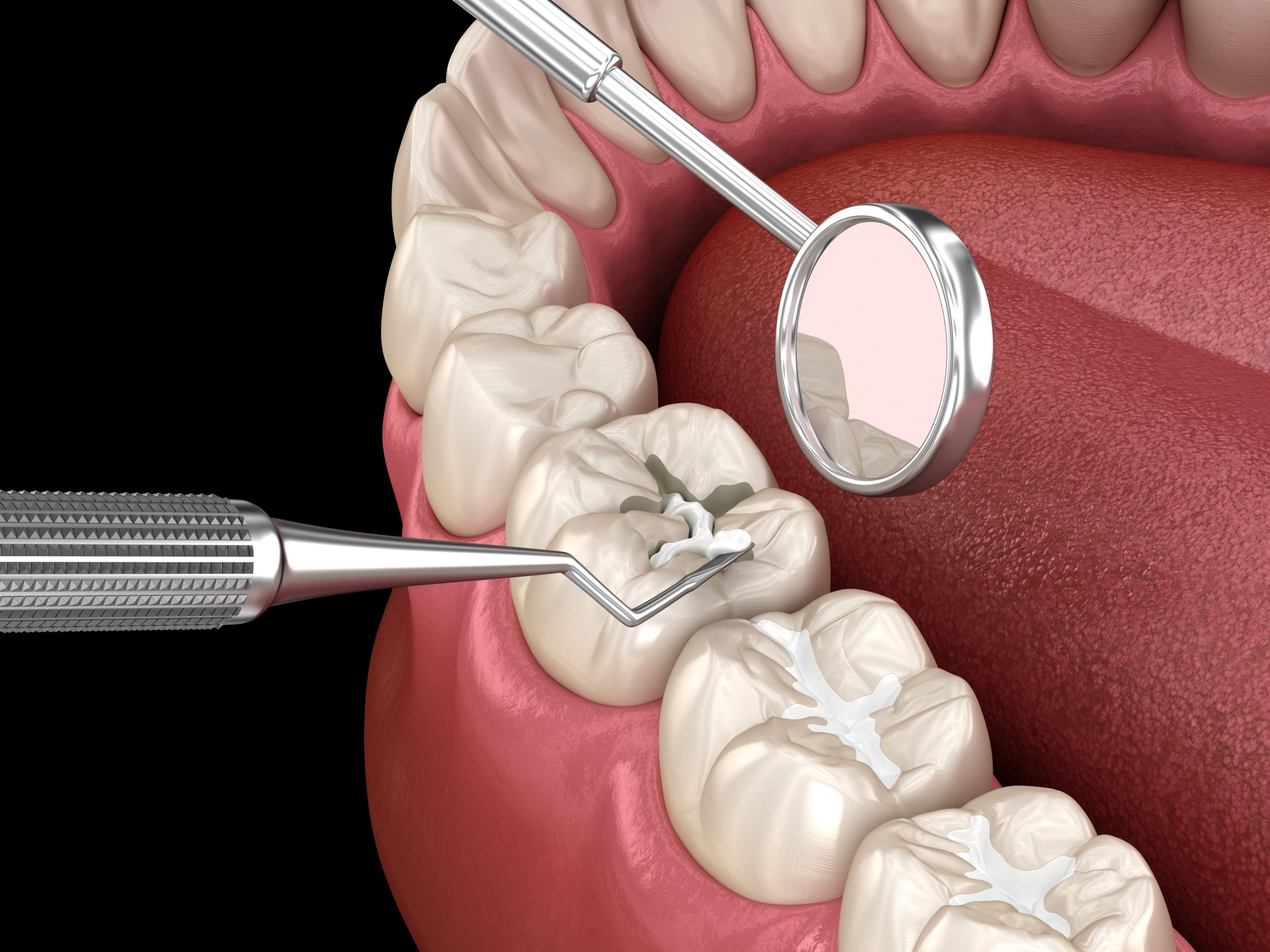
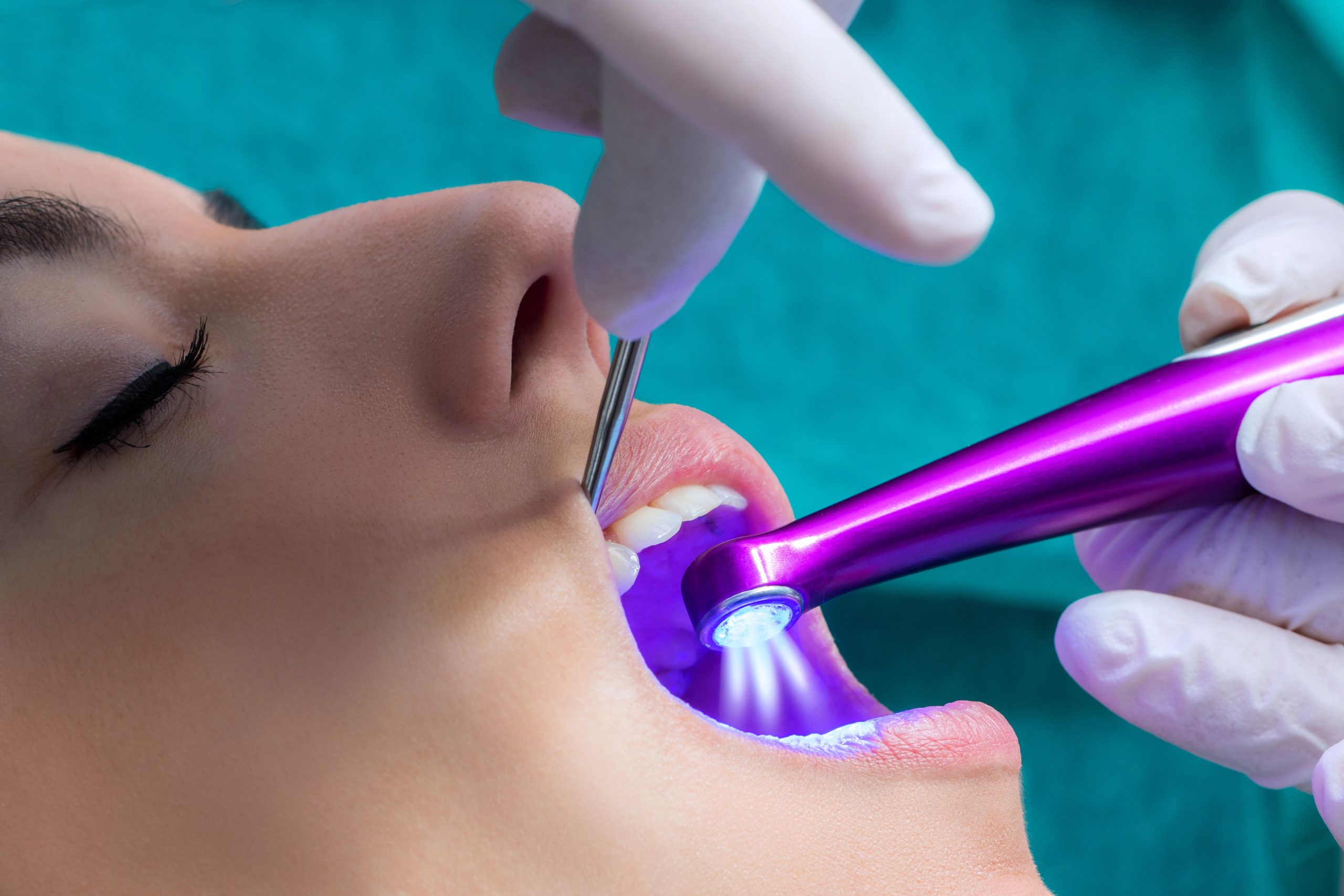
    When considering dental sealants near me, understanding the sealant application process can be beneficial. This procedure involves a dentist or dental hygienist cleaning the teeth thoroughly before applying a special gel to the chewing surfaces of the molars. After rinsing and drying the teeth, the sealant is painted onto the enamel, where it bonds and hardens under a special light. This protective layer helps shield the teeth from decay, particularly in those hard-to-reach areas that are prone to cavities.

    Longevity of Dental Sealants

    When considering dental sealants near me, it’s important to understand their longevity. Dental sealants are designed to provide a durable protective barrier over the molars, effectively shielding them from decay for several years. Typically, these sealants can last up to a decade with proper oral hygiene and regular dental check-ups. However, their lifespan can vary based on individual habits and the natural wear and tear of the teeth. Regular monitoring by a dental professional ensures that the sealants remain intact and continue to offer optimal protection against cavities.

    Sealants and Oral Health Connection

    Dental sealants near me play a crucial role in maintaining oral health by providing a protective barrier over the grooves and depressions of molars, which are often hard to clean thoroughly with regular brushing. This barrier helps prevent food particles and bacteria from settling in these areas, reducing the risk of cavities and tooth decay. By effectively sealing these vulnerable spots, dental sealants contribute to a healthier mouth and support overall oral hygiene efforts.

    Common Myths About Sealants

    When searching for “dental sealants near me,” it’s important to be aware of common myths surrounding this preventive treatment. One prevalent misconception is that dental sealants are only for children, when in fact, they can benefit adults as well. Another myth is that sealants are unnecessary if you maintain good oral hygiene, but they actually provide an additional layer of protection for hard-to-reach molars. Some people believe that sealants are a temporary solution, yet they can last for several years with proper care. Understanding these myths can help you make informed decisions about your dental health.

    Sealants for Children’s Dental Care

    Dental sealants are a valuable tool in children’s dental care, providing a protective shield for those hard-to-reach molars that are prone to cavities. When searching for “dental sealants near me,” parents often seek options that can help safeguard their children’s teeth from decay. These sealants act as a barrier, preventing food particles and bacteria from settling into the grooves of the teeth, which are often difficult to clean thoroughly with regular brushing. By exploring local options for dental sealants, parents can find solutions that contribute to maintaining their children’s oral health.

    Conclusion

    Discover the benefits of dental sealants near me and protect your molars by calling k or checking out reviews on Google Maps.
    Elmhurst Admin

    September 24, 2025
  • Affordable Dental Sealants: Prevent Cavities Without High Costs

    Affordable Dental Sealants: Prevent Cavities Without High Costs

    Affordable dental sealants

    Affordable dental sealants are a cost-effective solution for protecting teeth from cavities. These thin, protective coatings are applied to the chewing surfaces of the back teeth, where decay often starts. By creating a barrier against food particles and bacteria, dental sealants help maintain oral health without the need for expensive treatments. Understanding how these sealants work can provide insight into their role in preventive dental care.

    The application process for affordable dental sealants is quick and painless, making it an attractive option for those looking to safeguard their teeth. Once applied, sealants can last for several years, offering long-term protection against decay. In the event of any issues with your sealants, such as loss or damage, you can find more information on Emergency Dental Sealant Repair: Quick Fixes for Lost or Damaged Protection.

    Benefits of Dental Sealants

    Dental sealants provide a protective barrier on the chewing surfaces of teeth, significantly reducing the risk of cavities. This preventive measure is especially beneficial for children and teenagers, whose developing teeth are more susceptible to decay. By sealing the deep grooves and fissures in molars, dental sealants help keep out food particles and bacteria that can lead to cavities.

    In addition to their protective qualities, dental sealants are a cost-effective solution for maintaining oral health. They can save individuals from the higher expenses associated with treating cavities and other dental issues. For those interested in learning more about this preventive measure, Elmhurst Dental Sealant Services offers detailed information on their website.

    Cost-Effective Cavity Prevention

    Affordable dental sealants provide a practical solution for those seeking to prevent cavities without incurring high costs. These sealants act as a protective barrier, safeguarding teeth from decay and reducing the likelihood of cavities. By choosing affordable dental sealants, individuals can maintain their oral health effectively while managing expenses, making it a sensible choice for budget-conscious individuals looking to preserve their dental well-being.

    Sealants vs. Traditional Fillings

    When considering affordable dental sealants, it’s important to understand the difference between sealants and traditional fillings. Sealants act as a protective barrier, preventing cavities by covering the grooves of teeth, while traditional fillings are used to repair damage after a cavity has formed. Sealants are typically applied to the chewing surfaces of molars and premolars, offering a cost-effective preventive measure compared to the more invasive and often pricier process of filling cavities. For those interested in learning more about dental care options, Elmhurst Dental Studio provides valuable insights into maintaining oral health. Visit your local Elmhurst Dentist for more information.

    Who Needs Dental Sealants?

    Affordable dental sealants are beneficial for individuals of all ages who are looking to prevent cavities without incurring high costs. Children and teenagers are often prime candidates, as their newly erupted permanent teeth can be more susceptible to decay. However, adults who have deep grooves or pits in their teeth may also find that affordable dental sealants provide an effective barrier against plaque and food particles, helping to maintain oral health over time.

    Application Process Overview

    The application process for affordable dental sealants is straightforward and efficient, making it a popular choice for those looking to prevent cavities without incurring high costs. Typically, the procedure involves cleaning the teeth thoroughly to ensure a smooth surface for the sealant to adhere to. Once cleaned, the teeth are dried, and a special solution is applied to help the sealant bond effectively. After rinsing and drying again, the affordable dental sealants are carefully painted onto the chewing surfaces of the teeth, where they harden quickly, forming a protective barrier against decay. This simple yet effective process highlights why affordable dental sealants are a favored option for maintaining oral health.

    Longevity of Dental Sealants

    Affordable dental sealants are a cost-effective solution for maintaining oral health, offering a protective barrier that can last several years. These sealants are designed to withstand the daily wear and tear of chewing, providing long-lasting protection against cavities. The durability of affordable dental sealants ensures that they remain effective over time, making them a practical choice for those looking to prevent tooth decay without incurring high costs.

    Sealants for Children and Adults

    Affordable dental sealants provide a cost-effective solution for both children and adults looking to prevent cavities. These protective coatings are applied to the chewing surfaces of teeth, creating a barrier against decay-causing bacteria. By opting for affordable dental sealants, individuals of all ages can maintain better oral health without incurring high expenses. Whether for a child’s developing teeth or an adult’s mature set, sealants offer a practical approach to cavity prevention, ensuring long-term dental well-being.

    Insurance and Dental Sealants

    Affordable dental sealants can be a cost-effective solution for preventing cavities, and understanding how insurance plays a role is crucial. Many dental insurance plans cover preventive treatments, including dental sealants, which can significantly reduce out-of-pocket expenses. By utilizing insurance benefits, individuals can access affordable dental sealants, making it easier to maintain oral health without incurring high costs.

    Conclusion

    Affordable dental sealants are a smart choice for maintaining oral health without breaking the bank. Call us today at 630-530-0770 to learn more, and check out our Google reviews.

    Elmhurst Admin

    September 24, 2025
  • Dental Sealants for Cavity Prevention: Guard Your Smile from Decay

    Dental Sealants for Cavity Prevention: Guard Your Smile from Decay

    Dental sealants for cavity prevention

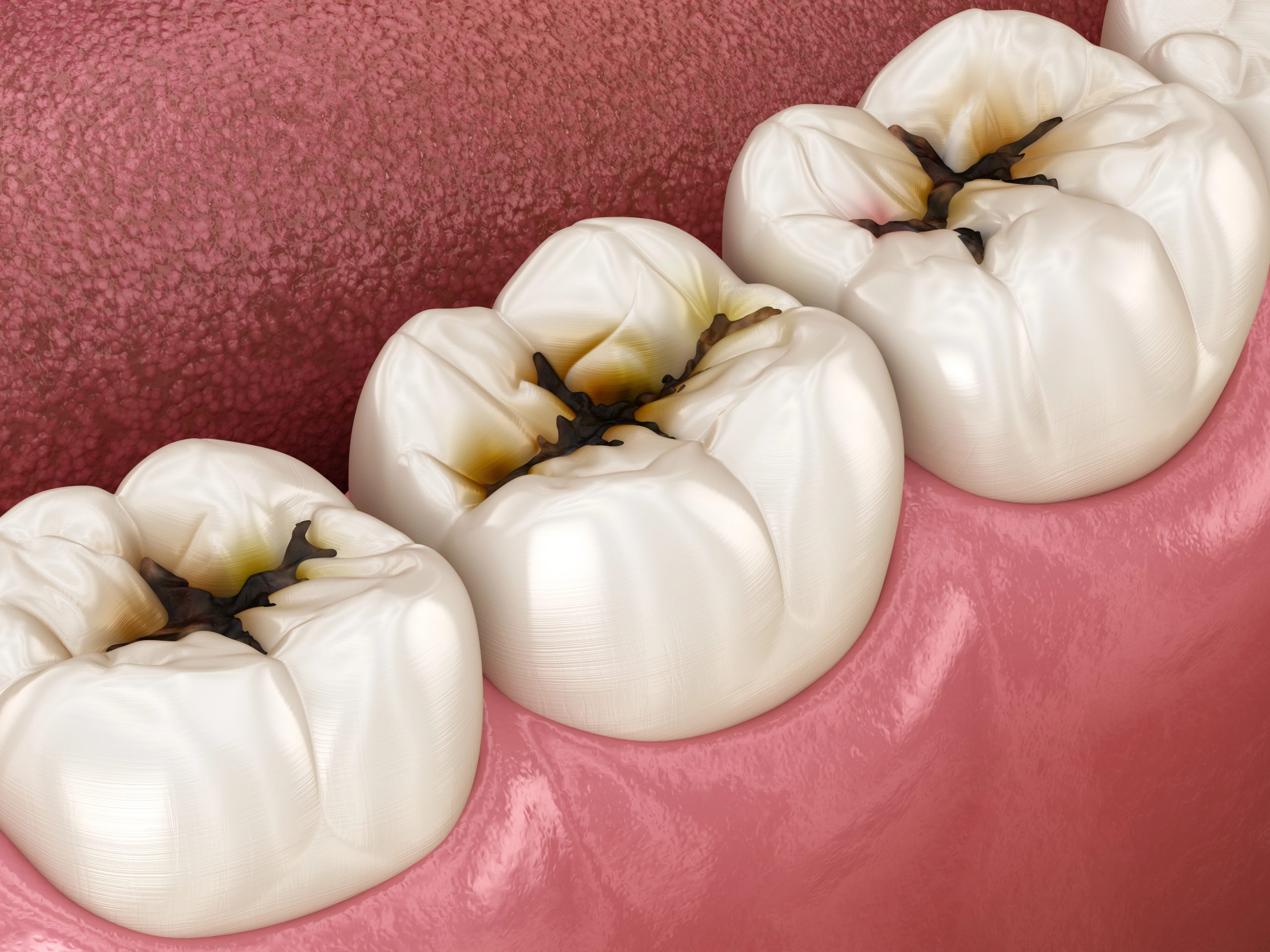
    Understanding dental sealants is essential for recognizing their role in maintaining oral health. Dental sealants for cavity prevention are thin, protective coatings applied to the chewing surfaces of the back teeth, where decay most often occurs. These sealants act as a barrier, shielding the enamel from plaque and acids that can lead to cavities. By covering the grooves and depressions in the teeth, dental sealants help prevent food particles and bacteria from settling in areas that are difficult to clean with regular brushing.

    The application of dental sealants is a straightforward process that can significantly contribute to long-term oral health. They are typically applied to children and teenagers, as these age groups are more prone to cavities. However, adults without decay or fillings in their molars can also benefit from sealants. For those interested in exploring alternative options, consider learning more about Dental Sealants Without Fluoride: A Natural Approach to Prevention.

    How Sealants Protect Teeth

    Dental sealants for cavity prevention act as a protective shield over the enamel of your teeth. These thin coatings are applied to the chewing surfaces of the back teeth, where decay often starts. By covering the grooves and depressions, sealants prevent food particles and bacteria from settling in these hard-to-clean areas, significantly reducing the risk of cavities. This barrier is especially beneficial for children and teenagers, who are more prone to cavities in their molars.

    The application of dental sealants is a simple and painless process that can provide long-lasting protection against tooth decay. Once applied, sealants can withstand the forces of chewing and remain intact for several years, offering continuous defense against harmful bacteria. For those interested in learning more about this preventive measure, Elmhurst’s Best Dental Sealants can provide further insights into how these protective coatings can help maintain a healthy smile.

    Ideal Candidates for Sealants

    Dental sealants for cavity prevention are particularly beneficial for children and teenagers, as their newly erupted permanent teeth are more susceptible to decay. However, adults without decay or fillings in their molars can also be ideal candidates. The application of dental sealants for cavity prevention is a proactive measure to protect the grooves and depressions of the teeth, where food particles and bacteria often accumulate, leading to cavities.

    Sealant Application Process

    The sealant application process is a straightforward and painless procedure that plays a crucial role in dental sealants for cavity prevention. During the process, a dentist will first clean and dry the teeth to ensure a proper bond. Then, a special gel is applied to the chewing surfaces of the teeth to help the sealant adhere effectively. After rinsing off the gel, the dentist will carefully paint the sealant onto the tooth enamel, where it will harden and form a protective shield against decay. This barrier is especially beneficial for children and teenagers who are more prone to cavities. For more information on maintaining a healthy smile, visit your local Elmhurst Dentist at Elmhurst Dental Studio.

    Longevity of Dental Sealants

    Dental sealants are a highly effective preventive measure in the fight against tooth decay, offering long-lasting protection for your teeth. Typically, these sealants can last several years, providing a durable barrier against harmful bacteria and food particles that can lead to cavities. While the longevity of dental sealants can vary based on factors such as oral hygiene practices and dietary habits, they generally remain intact and effective for a significant period, making them a reliable option for maintaining oral health. Regular dental check-ups can help monitor the condition of sealants, ensuring they continue to serve their protective role effectively.

    Sealants vs. Fillings

    When considering dental sealants for cavity prevention, it’s important to understand the difference between sealants and fillings. Dental sealants act as a protective barrier, applied to the chewing surfaces of teeth to prevent decay from forming. In contrast, fillings are used to restore a tooth that has already been affected by cavities. While both serve to maintain oral health, sealants are a proactive measure, whereas fillings are a reactive solution to existing dental issues. Understanding these distinctions can help in recognizing the role each plays in maintaining a healthy smile.

    Common Myths About Sealants

    When it comes to dental sealants for cavity prevention, several myths can cloud understanding. One common misconception is that sealants are only for children, when in fact, they can benefit adults as well. Another myth suggests that sealants are unnecessary if you maintain good oral hygiene, but even with regular brushing and flossing, sealants provide an extra layer of protection against decay. Some people believe that sealants are harmful or contain toxic substances, yet they are made from safe materials and have been used effectively for decades. Understanding these myths helps in appreciating the role of dental sealants for cavity prevention in maintaining a healthy smile.

    Sealants for Children and Adults

    Dental sealants for cavity prevention are a versatile solution suitable for both children and adults, providing an effective barrier against tooth decay. These thin, protective coatings are applied to the chewing surfaces of the back teeth, where cavities are most likely to develop. By sealing the grooves and pits, dental sealants help prevent food particles and bacteria from settling in, reducing the risk of cavities. This preventive measure is beneficial for maintaining oral health across different age groups, ensuring that both children and adults can enjoy a healthier smile free from decay.

    Maintaining Oral Health with Sealants

    Dental sealants for cavity prevention play a crucial role in maintaining oral health by providing a protective barrier over the teeth’s surfaces. This barrier helps to shield the enamel from plaque and acids, which are common culprits in the development of cavities. By effectively blocking these harmful substances, dental sealants contribute to a healthier mouth and a brighter smile, reducing the risk of decay and promoting overall dental well-being.

    Conclusion

    Protect your teeth with dental sealants for cavity prevention and ensure a healthy smile; call us at 630-530-0770 or read our reviews on Google Maps.

    Elmhurst Admin

    September 24, 2025
  • Dental Sealants Without Fluoride: A Natural Approach to Prevention

    Dental Sealants Without Fluoride: A Natural Approach to Prevention

    Dental sealants without fluoride

    Understanding dental sealants is essential for those considering a natural approach to oral health. Dental sealants without fluoride are thin coatings applied to the chewing surfaces of teeth, primarily the molars and premolars, to protect them from decay. These sealants act as a barrier, preventing food particles and bacteria from settling into the grooves and pits of the teeth, which are often difficult to clean thoroughly with regular brushing.

    The application of dental sealants without fluoride is a straightforward process that involves cleaning the tooth surface, applying an adhesive, and then placing the sealant material. This protective layer can significantly reduce the risk of cavities by blocking out harmful substances. For more insights into how dental sealants compare to other dental treatments, you can explore our detailed guide on Dental Sealants vs Fillings: Know the Difference in Protective Care.

    Benefits of Natural Sealants

    Dental sealants without fluoride offer a natural approach to oral health, focusing on the use of non-synthetic materials to protect teeth from decay. These sealants provide a barrier against food particles and bacteria, reducing the risk of cavities while maintaining a more holistic approach to dental care. By opting for natural sealants, individuals can enjoy the benefits of cavity prevention without the inclusion of fluoride, which some prefer to avoid for personal or health reasons.

    Choosing dental sealants without fluoride can be an appealing option for those seeking a more natural lifestyle. These sealants are designed to work effectively in safeguarding teeth, ensuring that the protective layer remains intact and functional. For more information on how these sealants can benefit your oral health, visit our page on Protective Dental Sealants Elmhurst.

    Ingredients in Non-Fluoride Sealants

    Dental sealants without fluoride are crafted using a variety of natural and synthetic ingredients designed to provide effective protection for teeth. These sealants often include biocompatible resins, which form a durable barrier on the tooth surface, preventing decay. Some formulations may incorporate natural oils or plant-based compounds to enhance their protective qualities. Additionally, non-fluoride sealants might use alternative minerals or natural substances to support oral health while maintaining a fluoride-free composition. These ingredients work together to offer a natural approach to dental care, focusing on prevention without the use of fluoride.

    How Sealants Protect Teeth

    Dental sealants without fluoride serve as a protective barrier for teeth, effectively shielding them from decay and cavities. These sealants are applied to the chewing surfaces of the back teeth, where they fill in the grooves and pits that are prone to trapping food particles and bacteria. By creating a smooth surface, sealants make it more difficult for plaque to accumulate, thus reducing the risk of tooth decay. This natural approach to dental care emphasizes prevention by focusing on maintaining the integrity of the tooth’s surface. For more information on dental care, visit Elmhurst Dentist at Elmhurst Dental Studio.

    Comparing Fluoride and Non-Fluoride

    When considering dental sealants without fluoride, it’s important to understand the differences between fluoride and non-fluoride options. Fluoride-based sealants have been traditionally used for their ability to strengthen enamel and prevent decay. However, some individuals prefer dental sealants without fluoride due to personal health beliefs or sensitivities. Non-fluoride sealants focus on providing a protective barrier over the teeth, aiming to prevent cavities by blocking out food particles and bacteria. Both types of sealants serve the primary purpose of cavity prevention, yet they cater to different preferences and needs within oral health care.

    Application Process Overview

    The application process for dental sealants without fluoride involves a straightforward procedure that aims to protect teeth from decay naturally. Initially, the teeth are thoroughly cleaned and dried to ensure a proper bond. A gentle etching solution is then applied to the chewing surfaces to create a slightly rough texture, which helps the sealant adhere effectively. After rinsing and drying the teeth again, the dental sealant without fluoride is carefully painted onto the enamel, forming a protective barrier. Finally, a special light may be used to harden the sealant, ensuring it stays in place and provides long-lasting protection.

    Longevity of Natural Sealants

    Dental sealants without fluoride are gaining attention for their natural approach to oral health, but questions often arise about their longevity. These sealants are designed to provide a protective barrier on the teeth, helping to prevent decay by blocking out food particles and bacteria. While traditional sealants may rely on fluoride for added durability, natural alternatives focus on using other materials to achieve similar protective benefits. The longevity of dental sealants without fluoride can vary based on several factors, including the material used and individual oral hygiene practices. However, they are generally considered a viable option for those seeking a fluoride-free preventive measure in dental care.

    Safety of Non-Fluoride Options

    When considering dental sealants without fluoride, safety is a primary concern for many individuals seeking a natural approach to oral health. These non-fluoride options are designed to provide a protective barrier over the teeth, helping to prevent decay while avoiding the use of fluoride. The materials used in these sealants are generally recognized as safe and are often chosen by those who prefer to minimize chemical exposure. As with any dental treatment, it is important to ensure that the application of dental sealants without fluoride is performed by a qualified professional to maintain oral health effectively.

    Research on Natural Sealants

    Recent studies have explored the potential of dental sealants without fluoride as a natural approach to oral health. Researchers are investigating various natural compounds and their effectiveness in providing a protective barrier against cavities. These natural sealants aim to offer an alternative for those seeking fluoride-free options, focusing on ingredients that can naturally bond to the tooth surface and provide long-lasting protection. The ongoing research is crucial in understanding how these natural alternatives can contribute to preventive dental care, offering insights into their efficacy and potential benefits.

    Conclusion

    Explore the benefits of dental sealants without fluoride and consider your options by calling 630-530-0770 or checking out reviews on Google Maps.
    Elmhurst Admin

    September 24, 2025
  • Dental Sealants vs Fillings: Know the Difference in Protective Care

    Dental Sealants vs Fillings: Know the Difference in Protective Care

    Dental sealants vs fillings

    Dental sealants vs fillings are often compared when discussing preventive dental care. Dental sealants are a thin, protective coating applied to the chewing surfaces of the back teeth, primarily the molars and premolars. This coating acts as a barrier, protecting the enamel from plaque and acids that can lead to cavities. Sealants are particularly effective in safeguarding the deep grooves and pits of the teeth, which are difficult to clean with regular brushing. For those interested in learning more about this protective measure, you can explore Dental Sealants Near Me: Protective Shield for Hard-to-Reach Molars.

    While dental sealants vs fillings serve different purposes, understanding their roles is crucial in maintaining oral health. Sealants are preventive, applied before decay sets in, while fillings are restorative, used to repair a tooth after decay has occurred. The application of dental sealants is a straightforward process that involves cleaning the tooth surface, applying an adhesive, and then painting on the sealant material, which hardens to form a protective shield. This preventive approach can be an essential part of maintaining healthy teeth and reducing the risk of cavities.

    Definition of Dental Fillings

    Dental fillings are a common dental procedure used to restore the function and integrity of missing tooth structure resulting from decay or external trauma. When a tooth is damaged by cavities, a dentist removes the decayed portion and fills the area with a material such as amalgam, composite resin, or gold. This process not only helps in restoring the tooth’s shape but also prevents further decay by sealing off spaces where bacteria can enter.

    In the discussion of dental sealants vs fillings, it’s important to understand that while both serve protective roles, they are used in different scenarios. Fillings are typically applied after decay has occurred, whereas sealants are preventive measures applied to healthy teeth to protect against future decay. For more information on preventive care, visit our page on Elmhurst Dental Sealant Solutions.

    Purpose of Dental Sealants

    Dental sealants serve as a protective barrier applied to the chewing surfaces of the back teeth, primarily the molars and premolars, to prevent cavities. Unlike fillings, which are used to restore teeth that have already been damaged by decay, dental sealants are a preventive measure designed to shield teeth from the accumulation of food particles and bacteria. In the discussion of dental sealants vs fillings, it’s important to understand that sealants are typically applied to healthy teeth to maintain their integrity, whereas fillings are used to repair and restore teeth that have already experienced decay.

    Purpose of Dental Fillings

    Dental fillings are primarily used to restore the function and integrity of a tooth that has been compromised by decay or damage. When a cavity forms, it creates a hole in the tooth that can lead to further deterioration if not addressed. Fillings help to fill this void, preventing bacteria from entering and causing more harm. They also help in maintaining the tooth’s structure, allowing for normal chewing and biting functions. In the discussion of dental sealants vs fillings, it’s important to understand that while both serve protective roles, fillings are essential for repairing existing damage. For more information on dental care, visit Elmhurst Dentist.

    Application Process Differences

    When considering dental sealants vs fillings, it’s important to understand the differences in their application processes. Dental sealants are typically applied as a liquid resin that is painted onto the chewing surfaces of the teeth, where it quickly hardens to form a protective barrier. This process is generally quick and non-invasive, often requiring no drilling or anesthesia. In contrast, fillings involve removing decayed tooth material before placing a filling material into the cavity. This procedure can be more involved, often necessitating the use of local anesthesia to ensure comfort during the removal of decay and placement of the filling. Understanding these application process differences is crucial when comparing dental sealants vs fillings for protective dental care.

    Material Composition Comparison

    In the discussion of dental sealants vs fillings, understanding the material composition of each can provide insight into their distinct roles in oral health care. Dental sealants are typically made from a plastic resin that is applied as a liquid and hardens to form a protective barrier on the surface of teeth, primarily used to prevent cavities. On the other hand, fillings are composed of materials such as amalgam, composite resins, or ceramics, which are used to restore the function and integrity of a tooth that has been compromised by decay. The choice between dental sealants and fillings often depends on the condition of the tooth and the specific needs of the patient.

    Longevity and Durability

    When considering dental sealants vs fillings, understanding their longevity and durability is crucial. Dental sealants are typically applied to the chewing surfaces of molars to prevent decay and can last several years with proper care, though they may need reapplication over time. Fillings, on the other hand, are used to restore teeth that have already experienced decay and are designed to withstand the pressures of daily chewing, often lasting many years depending on the material used. Both options offer unique benefits in terms of protecting teeth, but their durability can vary based on individual oral health habits and maintenance.

    Cost Considerations

    When evaluating dental sealants vs fillings, understanding the cost implications is crucial. Dental sealants are generally more affordable as they are preventive measures applied to protect teeth from decay. In contrast, fillings are typically more expensive since they involve treating existing cavities and restoring tooth structure. The cost difference can be attributed to the complexity and materials used in each procedure. It’s important to consider these financial aspects when deciding between dental sealants and fillings for maintaining oral health.

    Suitability for Different Ages

    When considering dental sealants vs fillings, it’s important to understand their suitability for different ages. Dental sealants are often applied to children and teenagers as a preventive measure to protect their developing teeth from cavities. This is because sealants are most effective on the chewing surfaces of the back teeth, where decay is most likely to occur. On the other hand, fillings are typically used for individuals of all ages who already have cavities that need to be treated. While both dental sealants and fillings serve to protect teeth, their application and purpose vary depending on the age and dental health needs of the individual.

    Conclusion

    Understanding the differences between dental sealants vs fillings is crucial for making informed decisions about your oral health. For more information, call us at 630-530-0770 or check out our Google Maps reviews.

    Elmhurst Admin

    September 24, 2025

Elmhurst Dental Studio

Proudly making smiles brighter in the Elmhurst area.

Book An Appointment

Contact

386 N York St #203, Elmhurst, IL 60126

(630) 530-0770

Services

  • Cosmetic Dentistry

  • Emergency Dentistry

  • General Dentistry

Hours

Monday: 9 AM–5 PM
Tuesday: 9 AM–5 PM
Wednesday: 9 AM–5 PM
Thursday: 9 AM–5 PM
Friday: Closed
Saturday: Closed
Sunday: Closed

© 2026 Elmhurst Dental Studio. Privacy Policy

Ready to Schedule An Appointment?